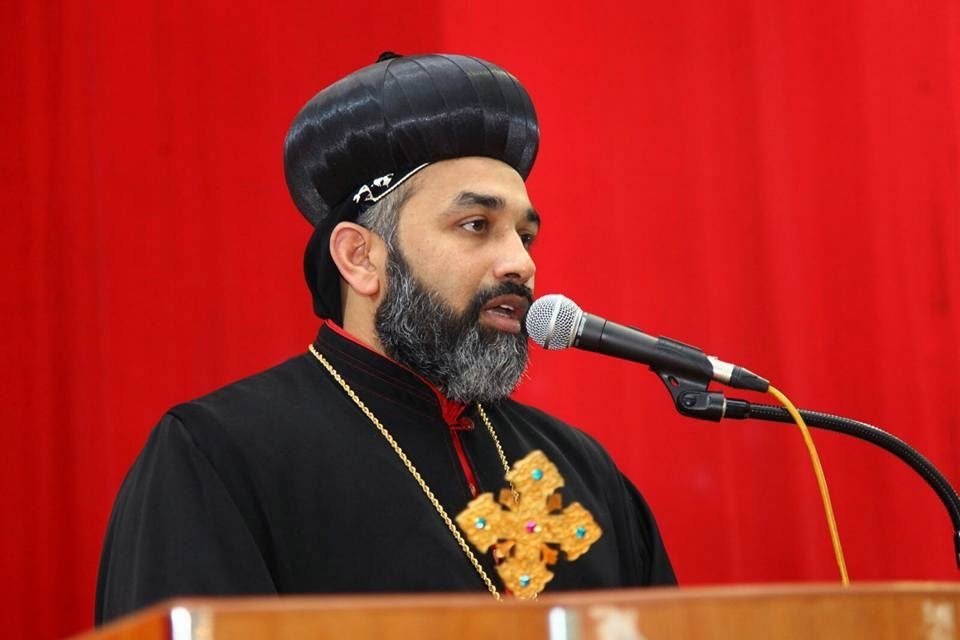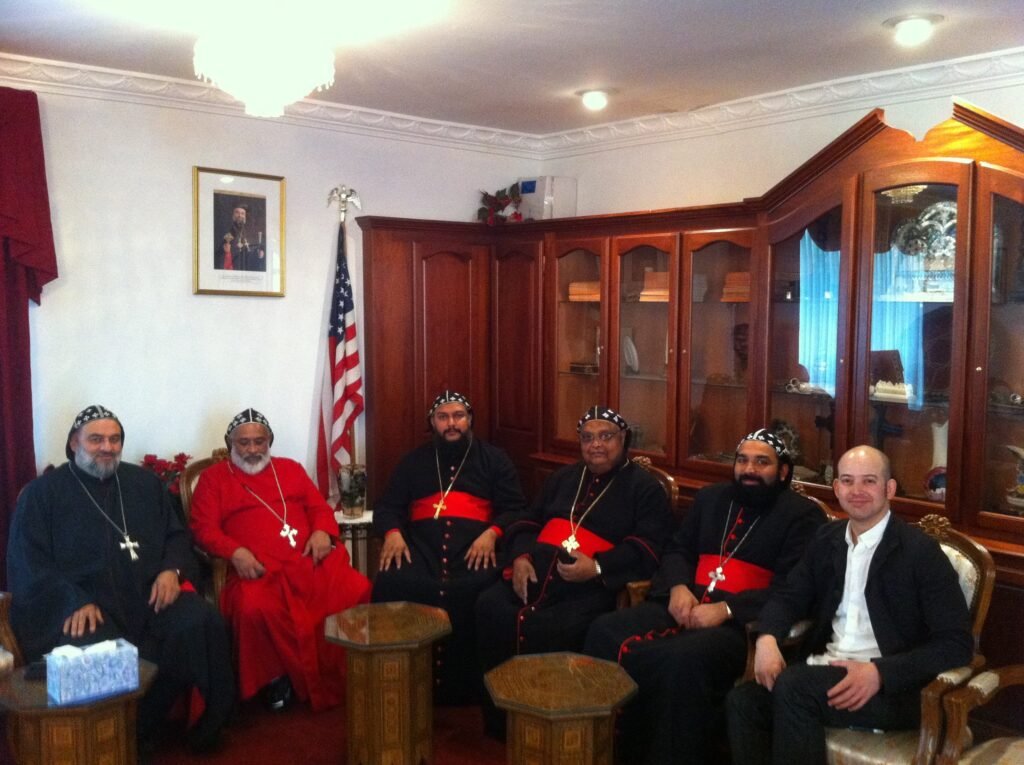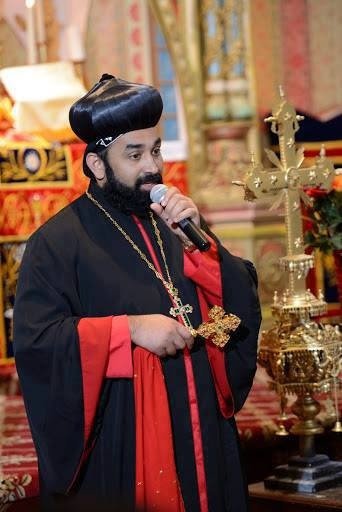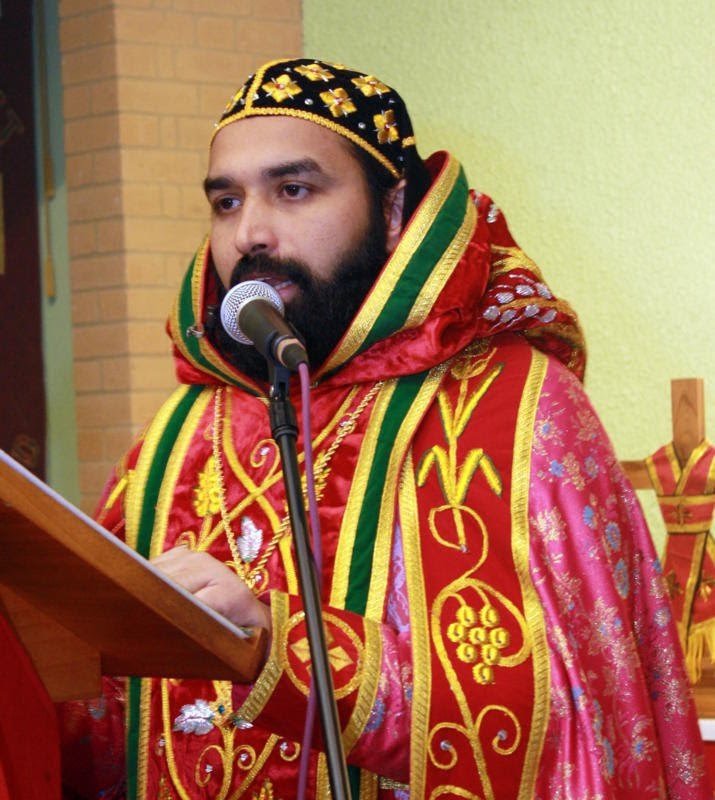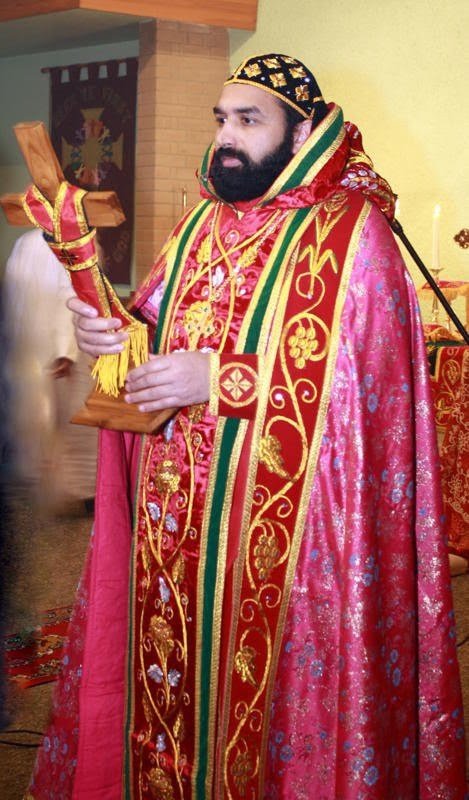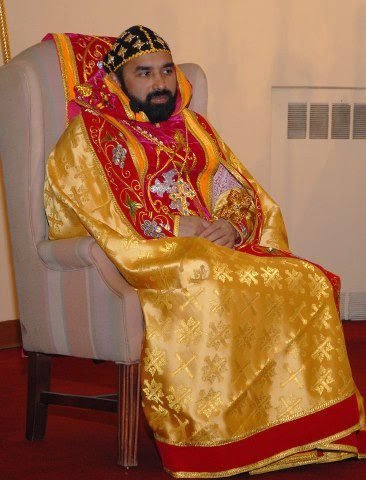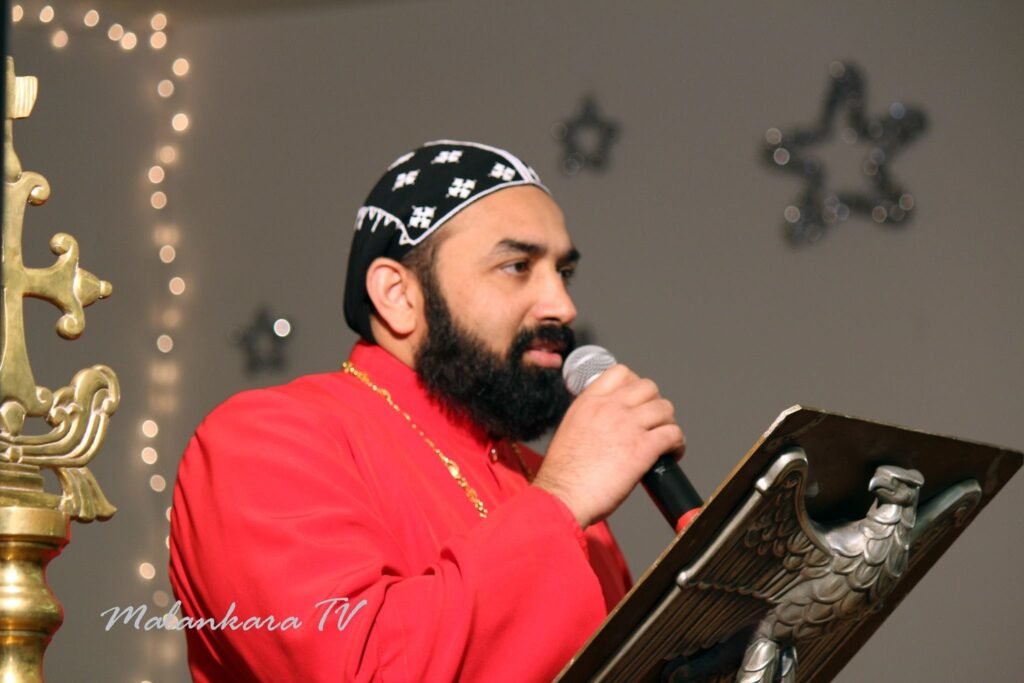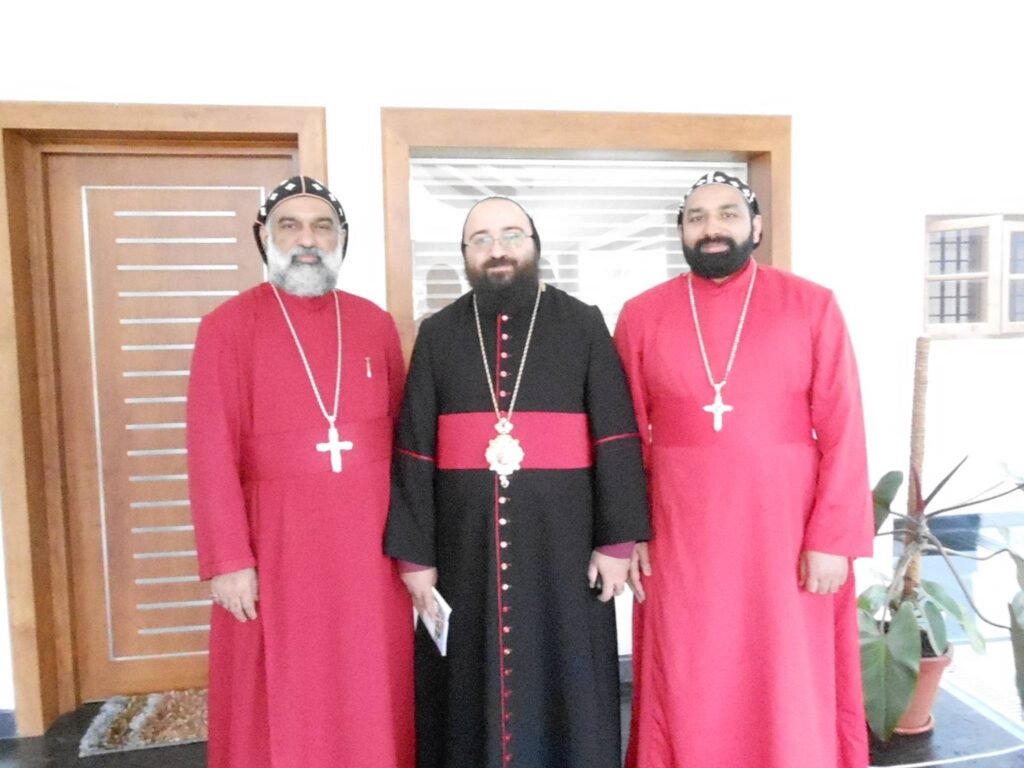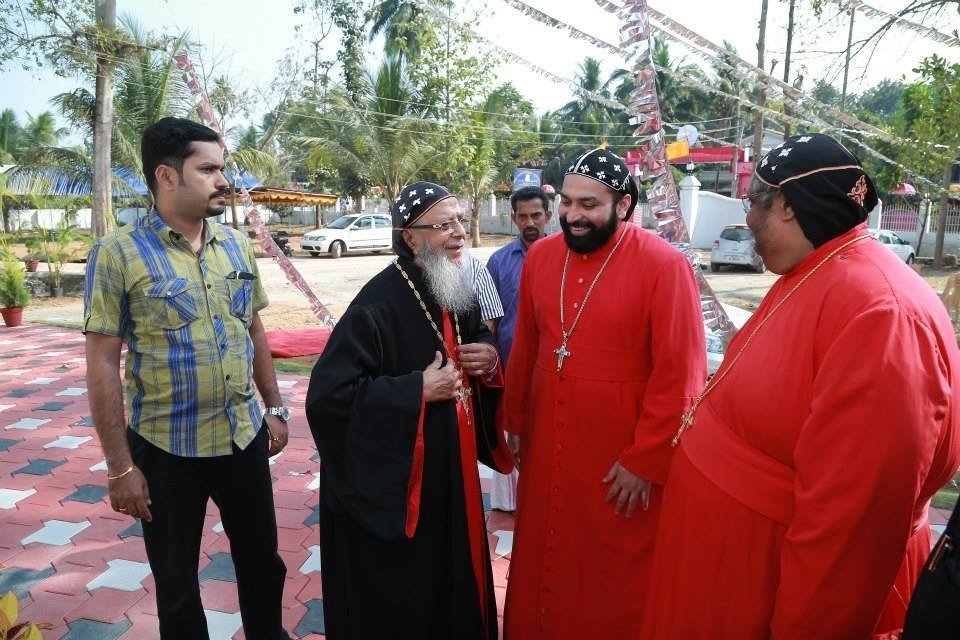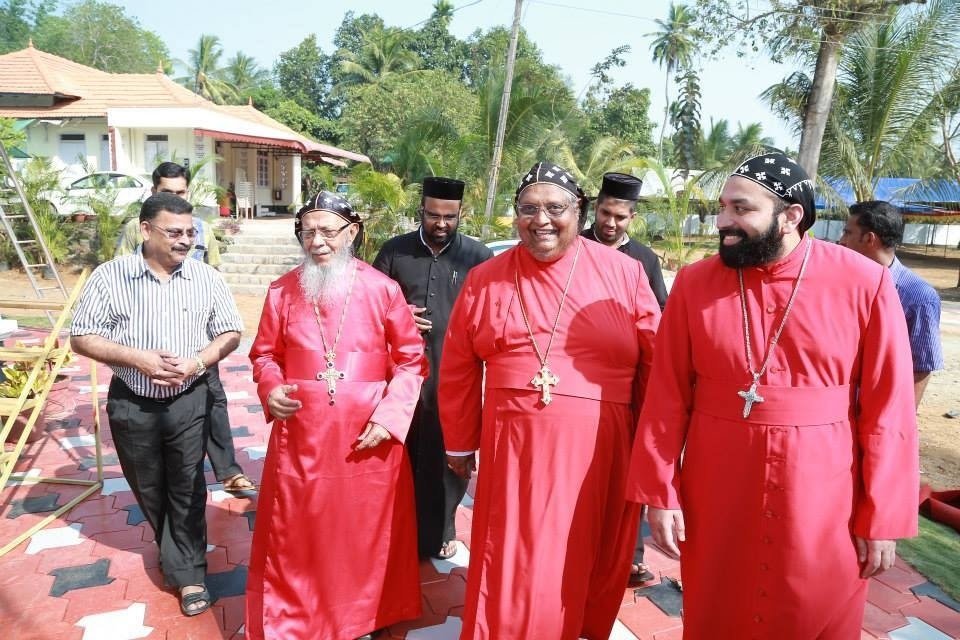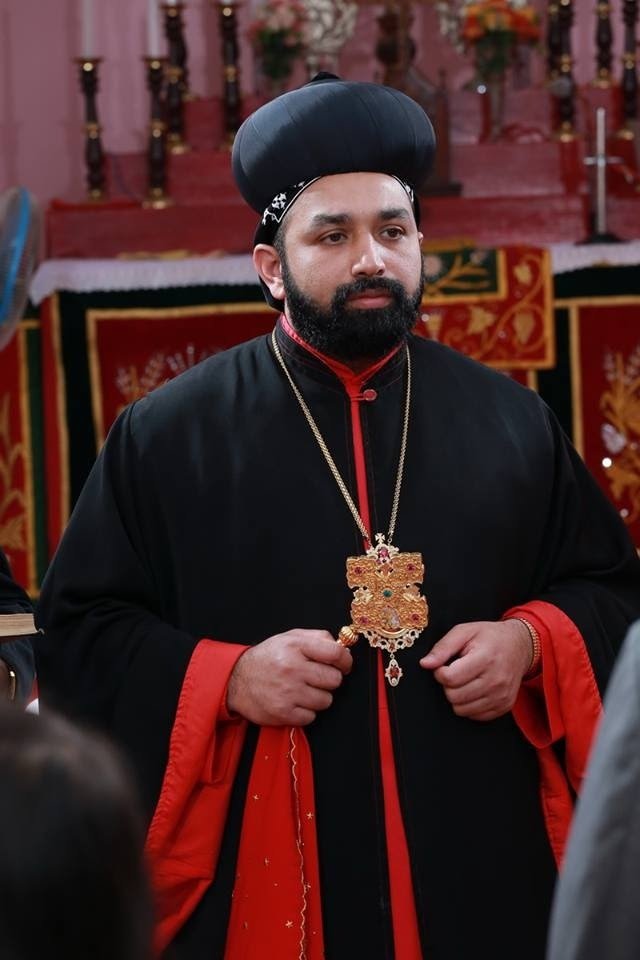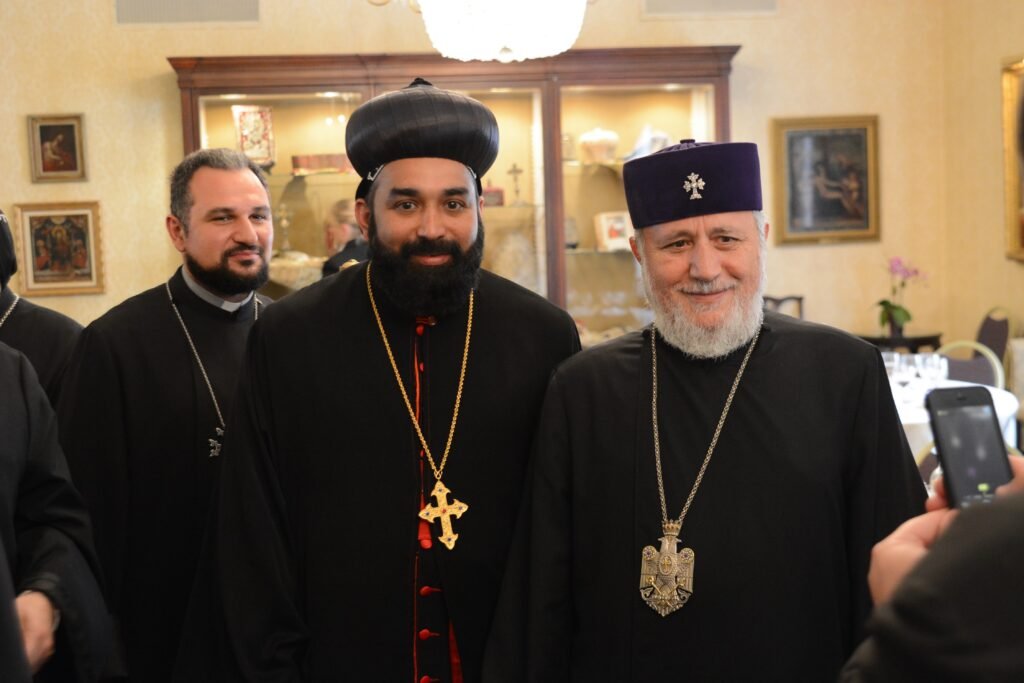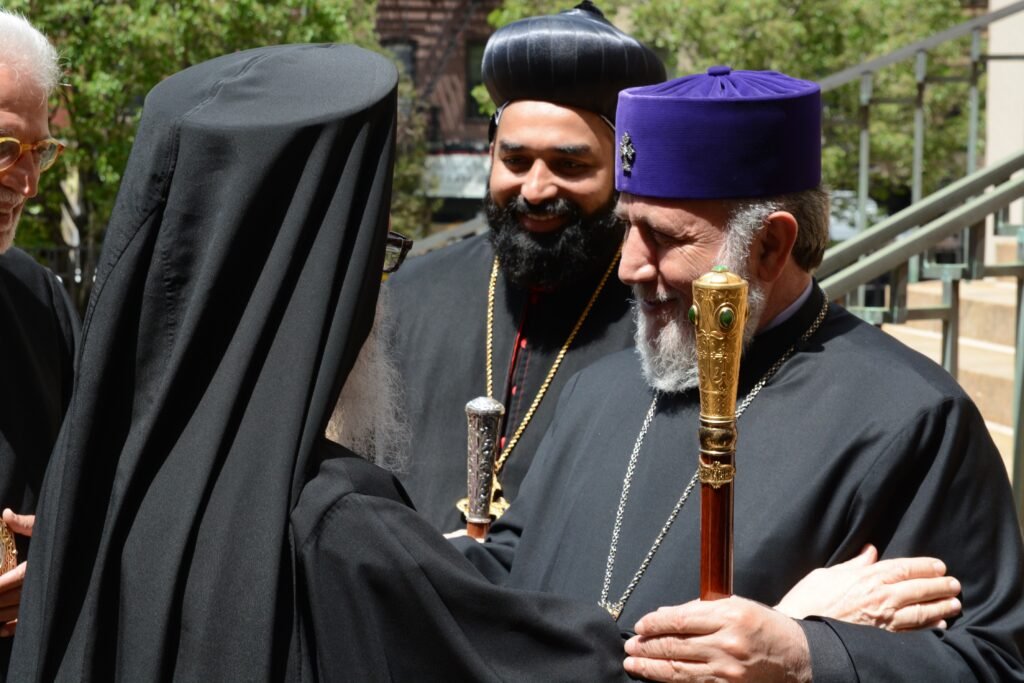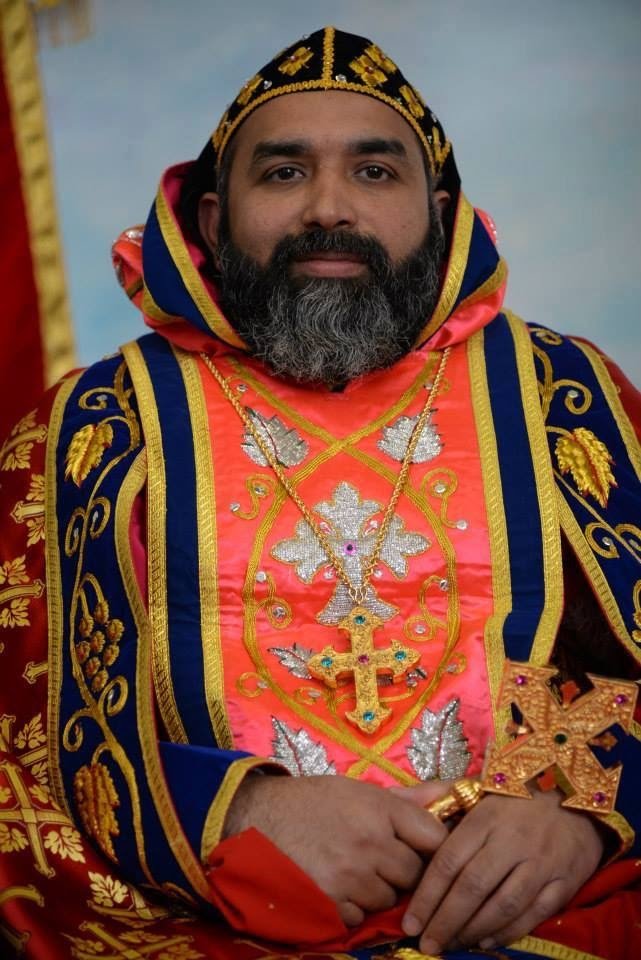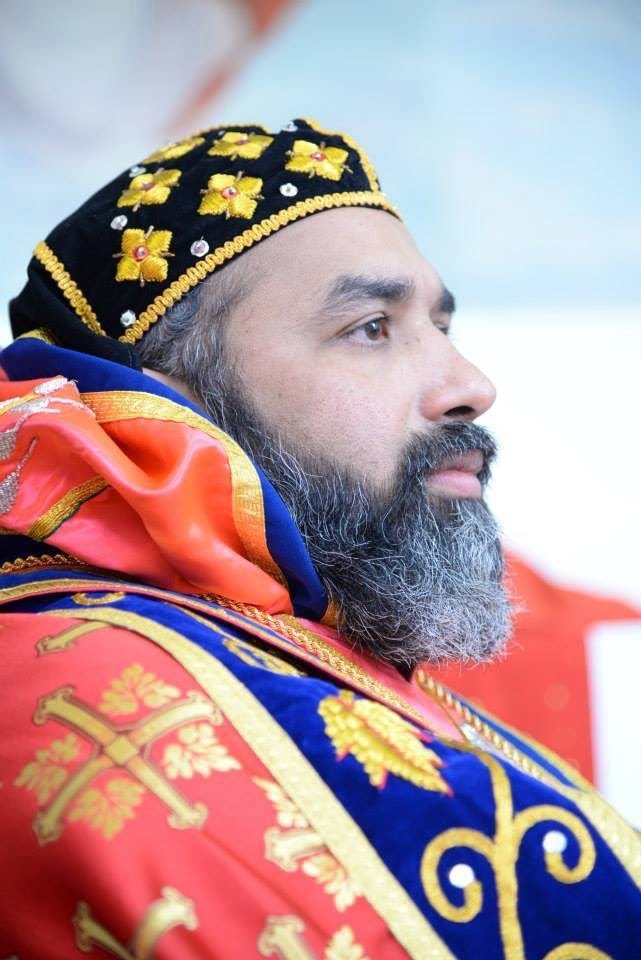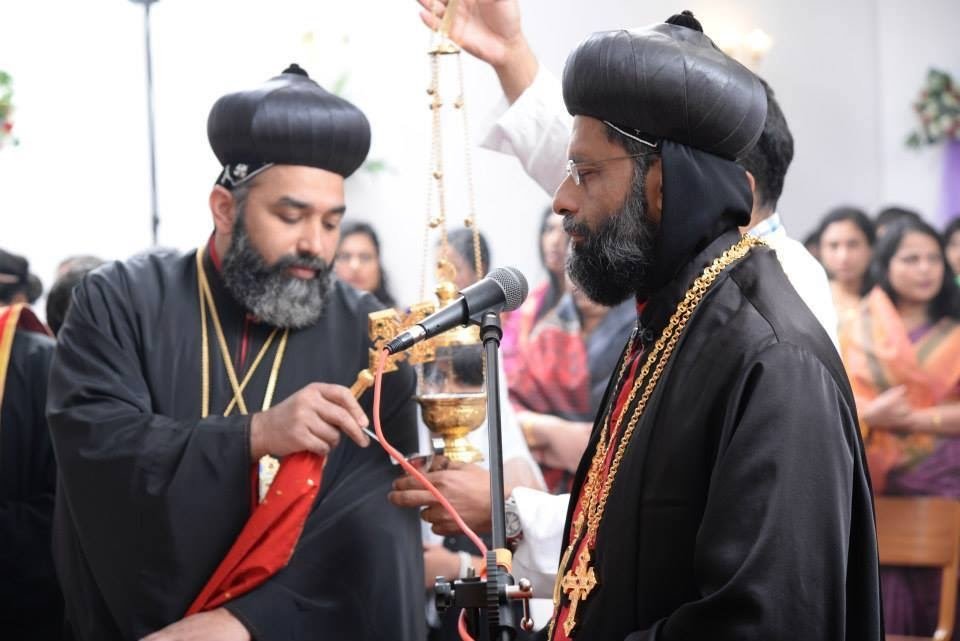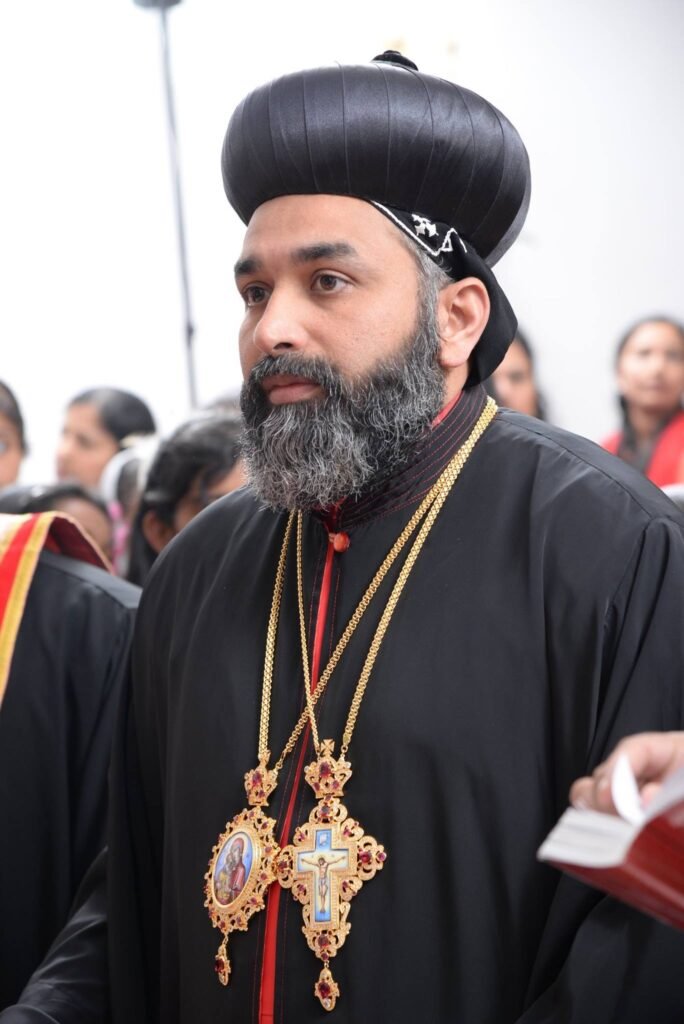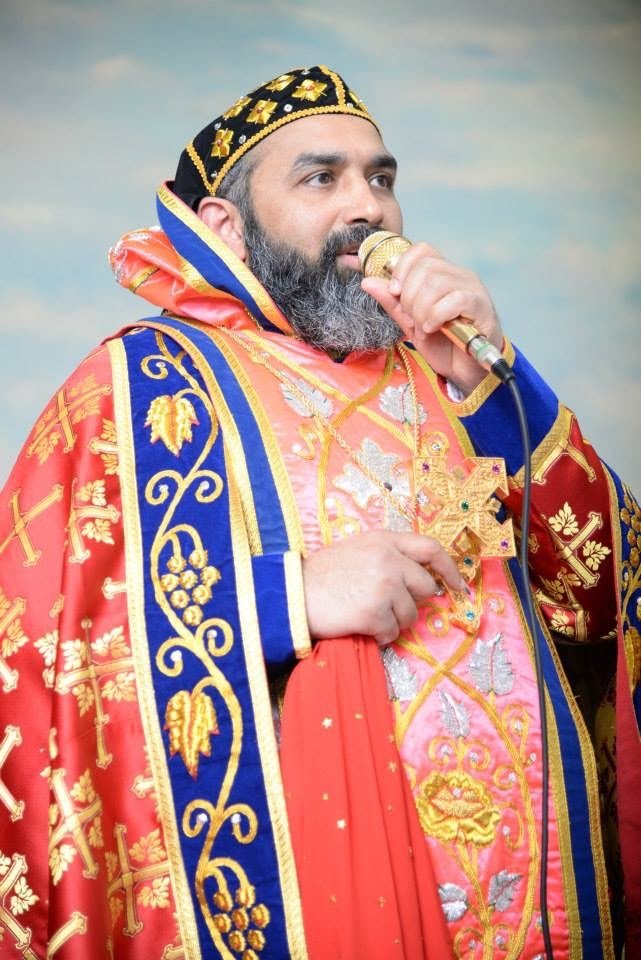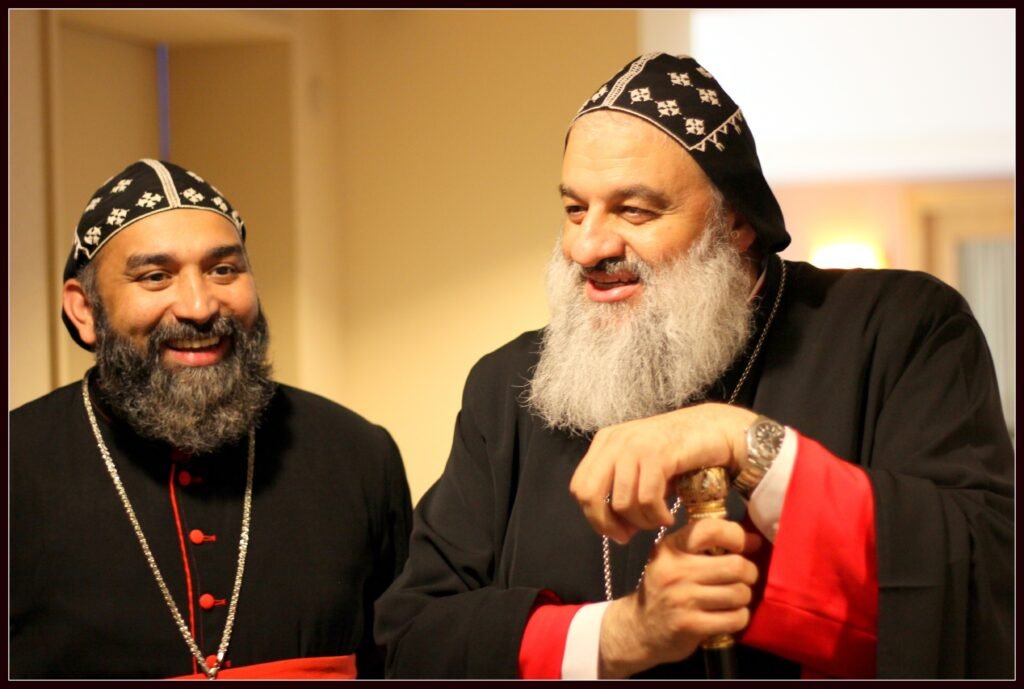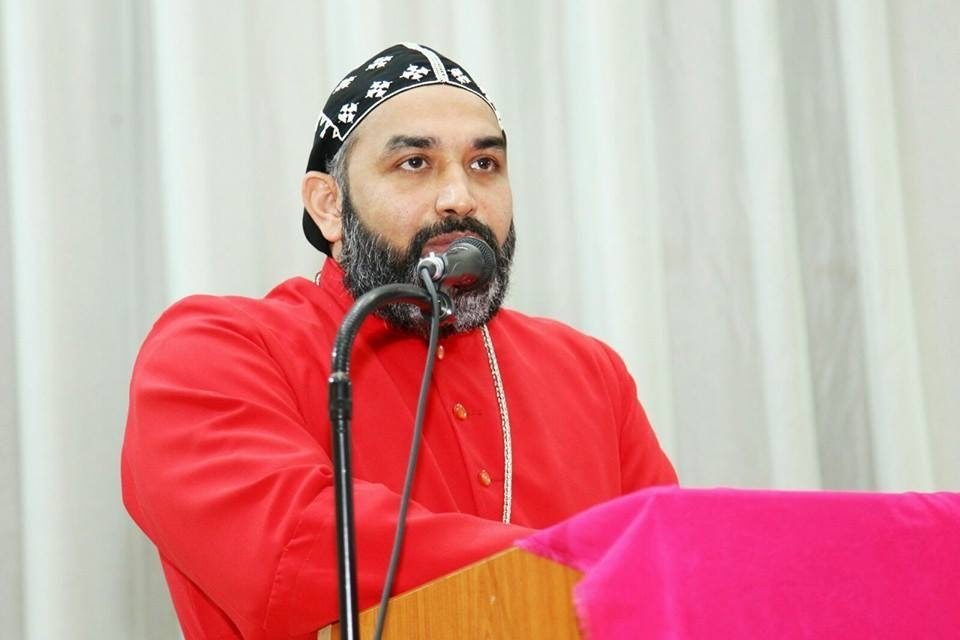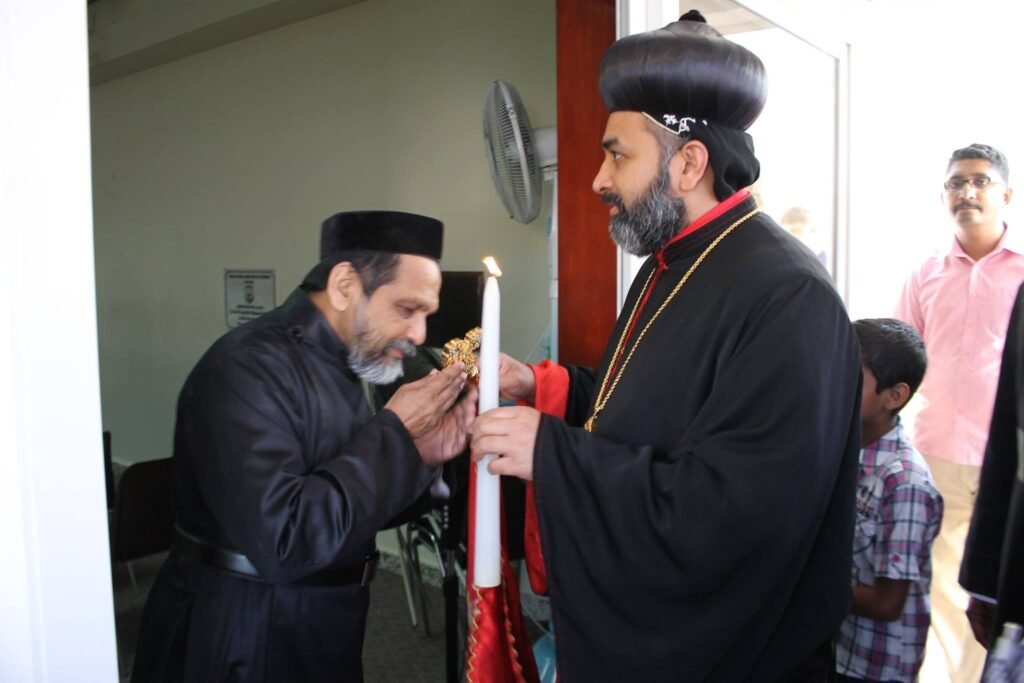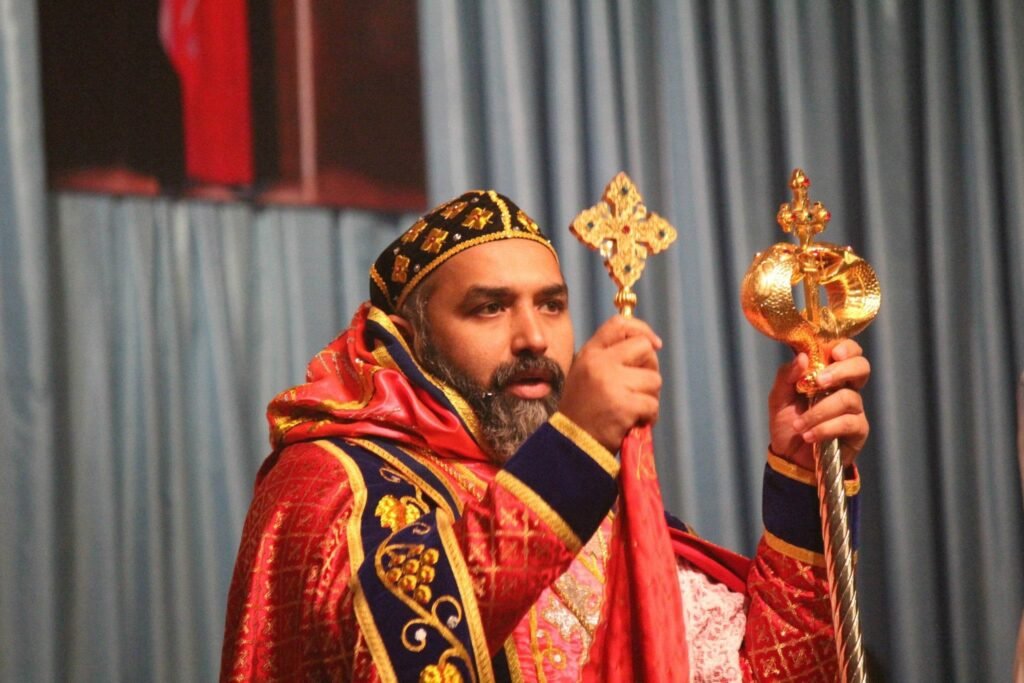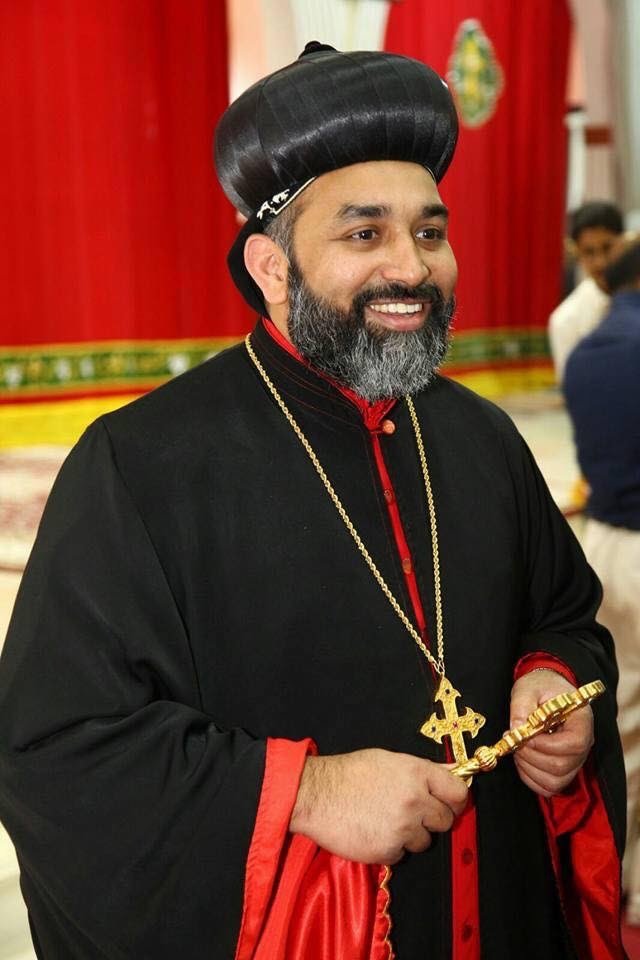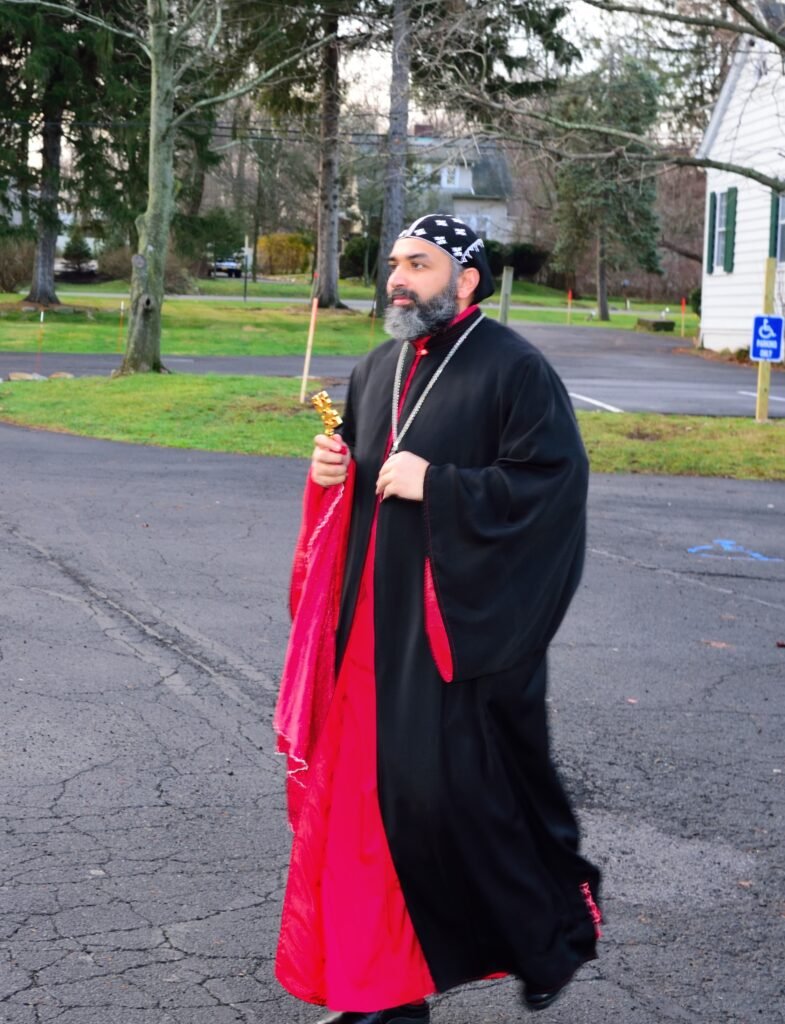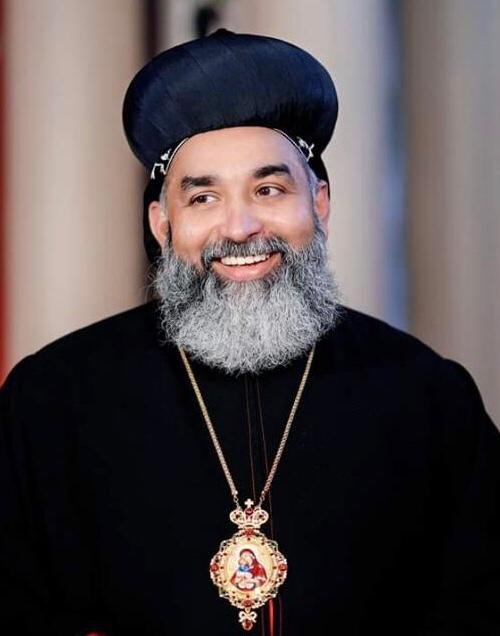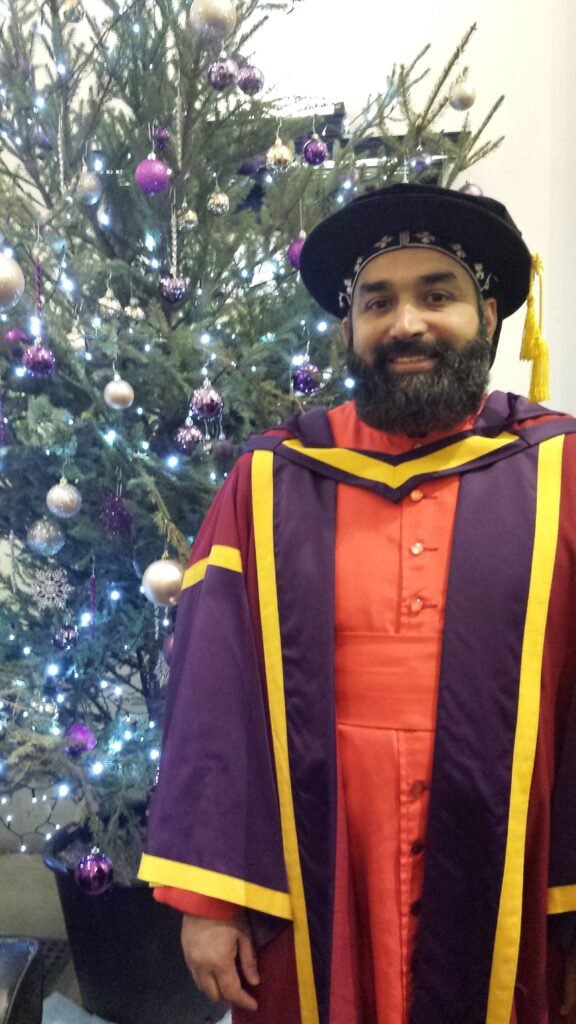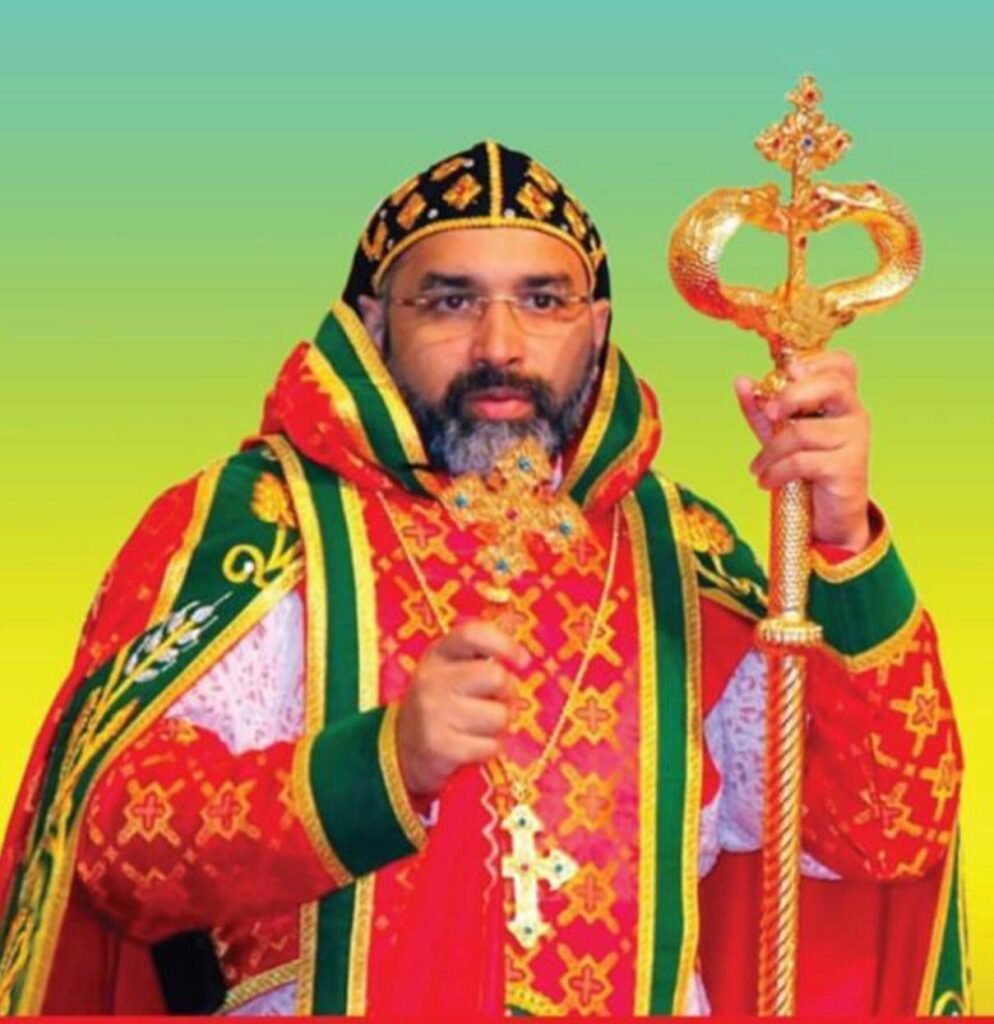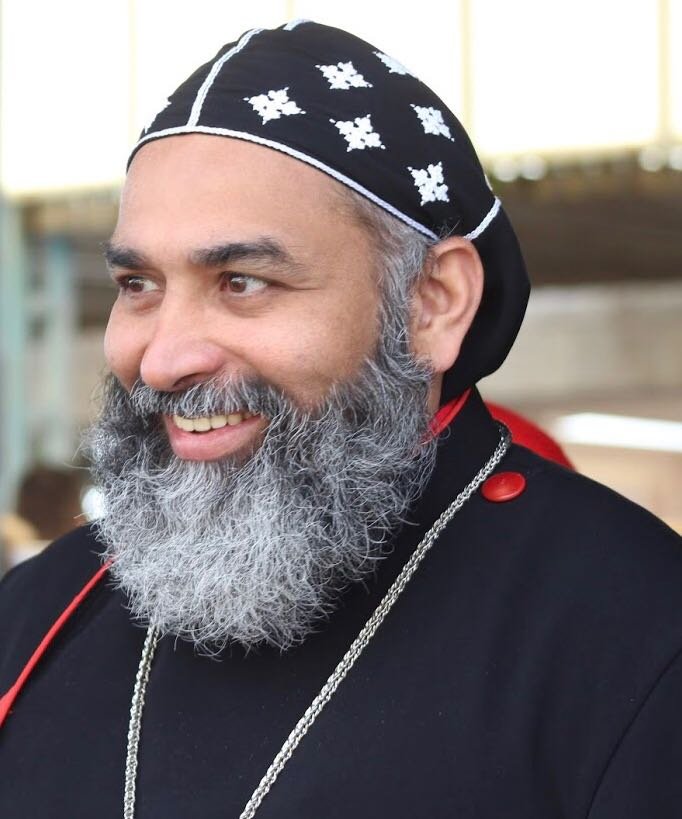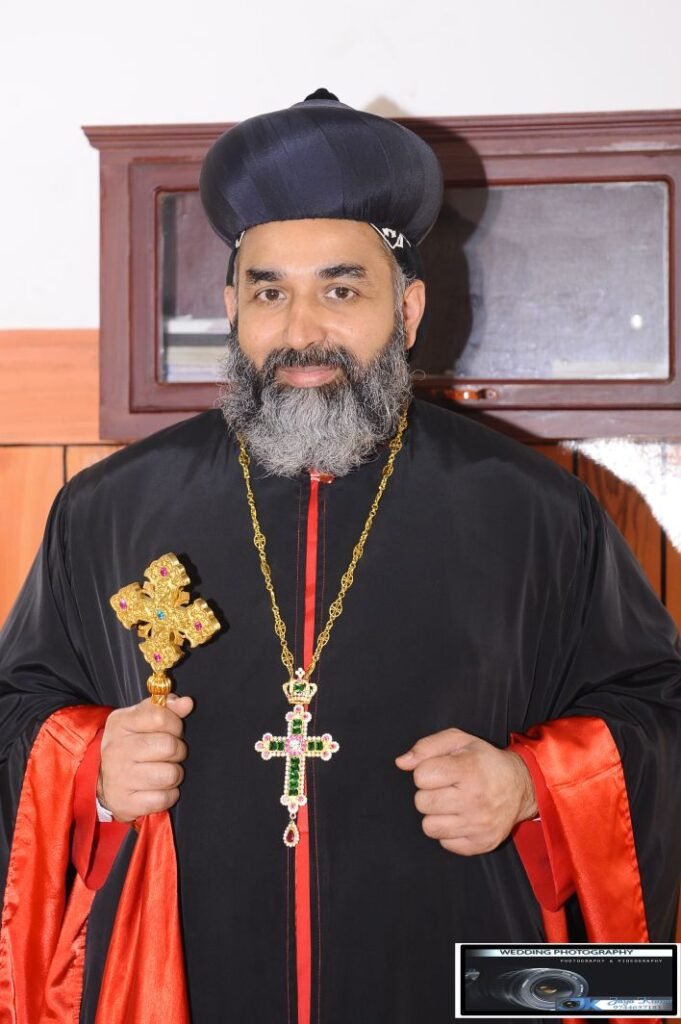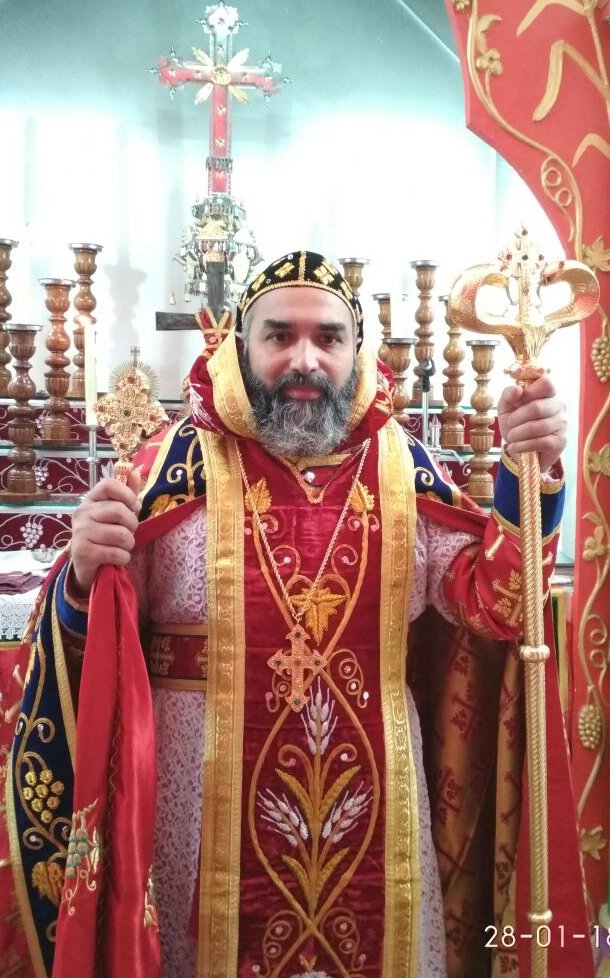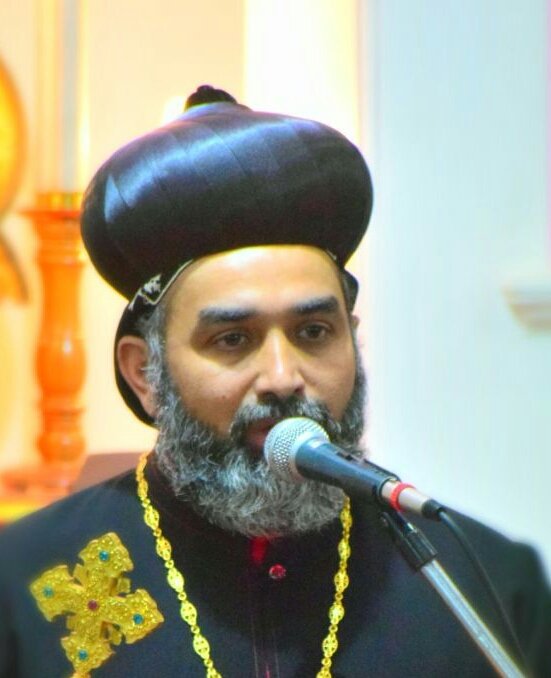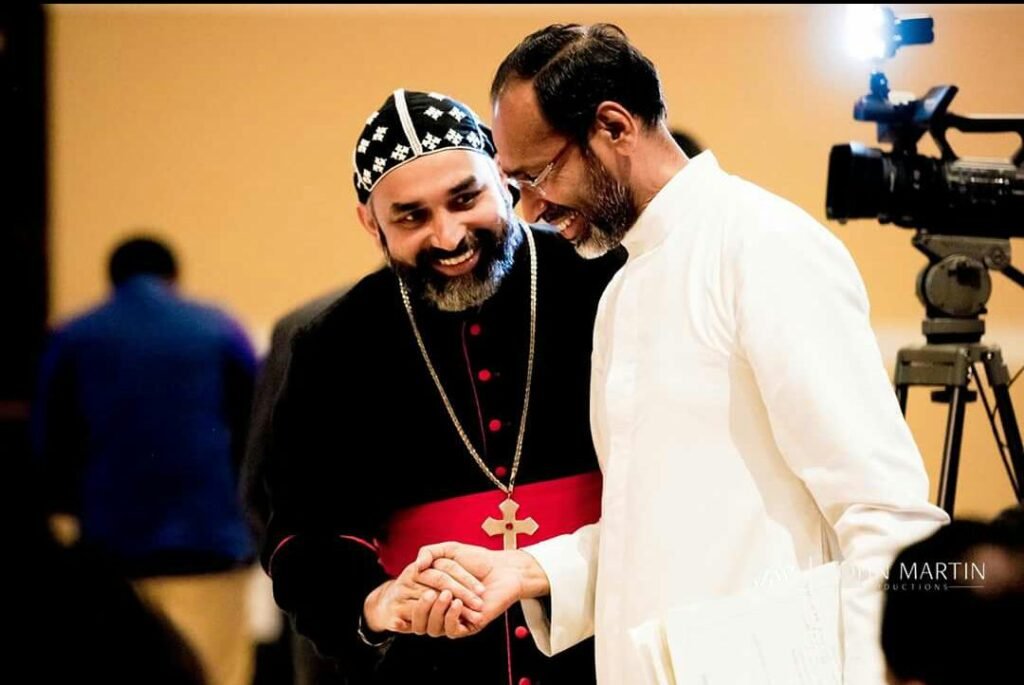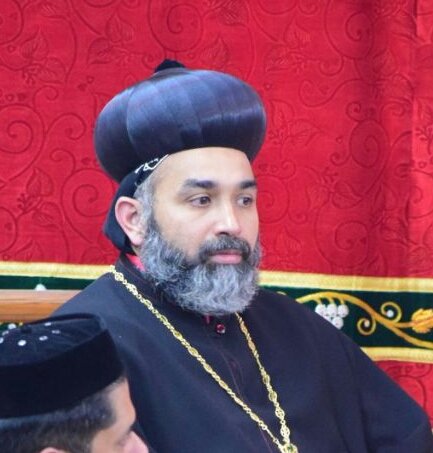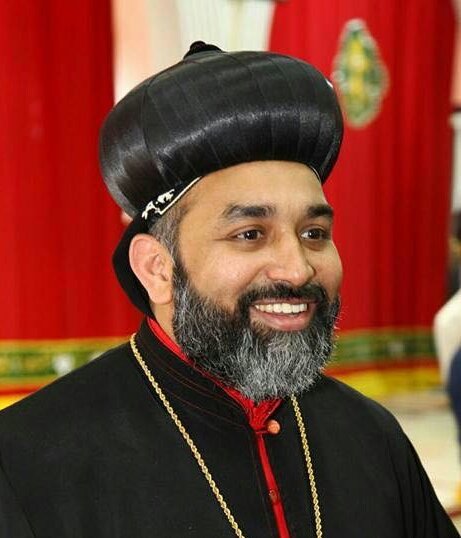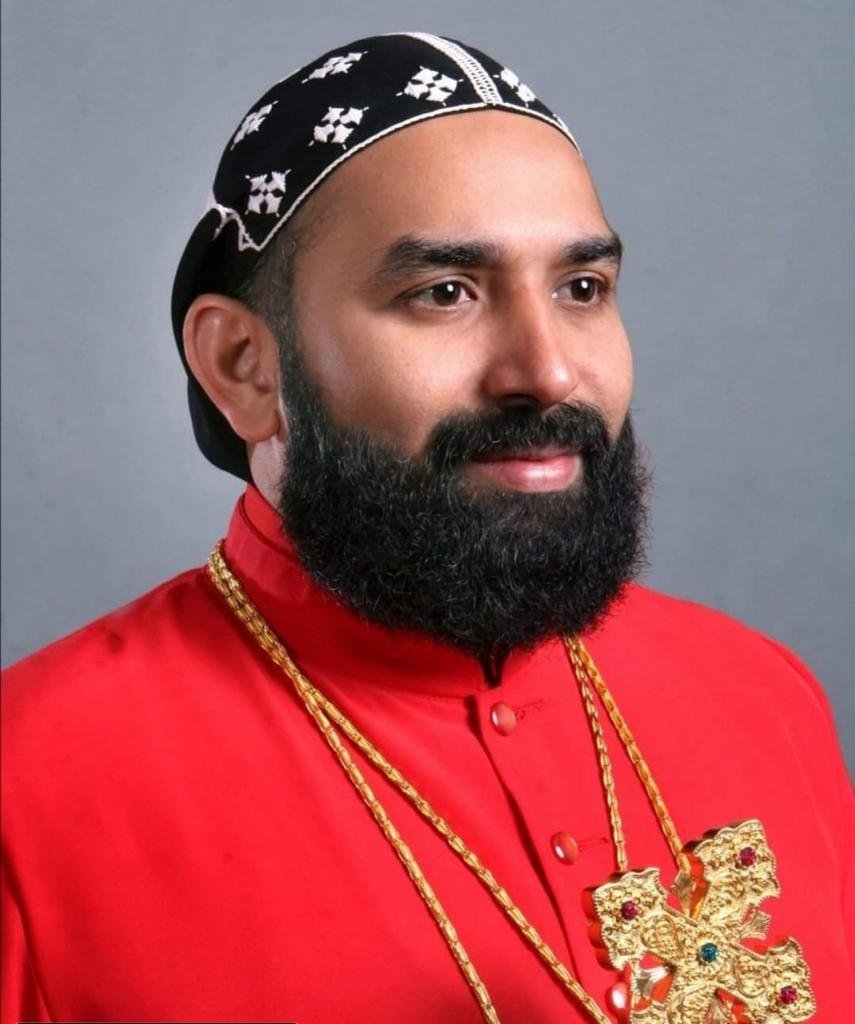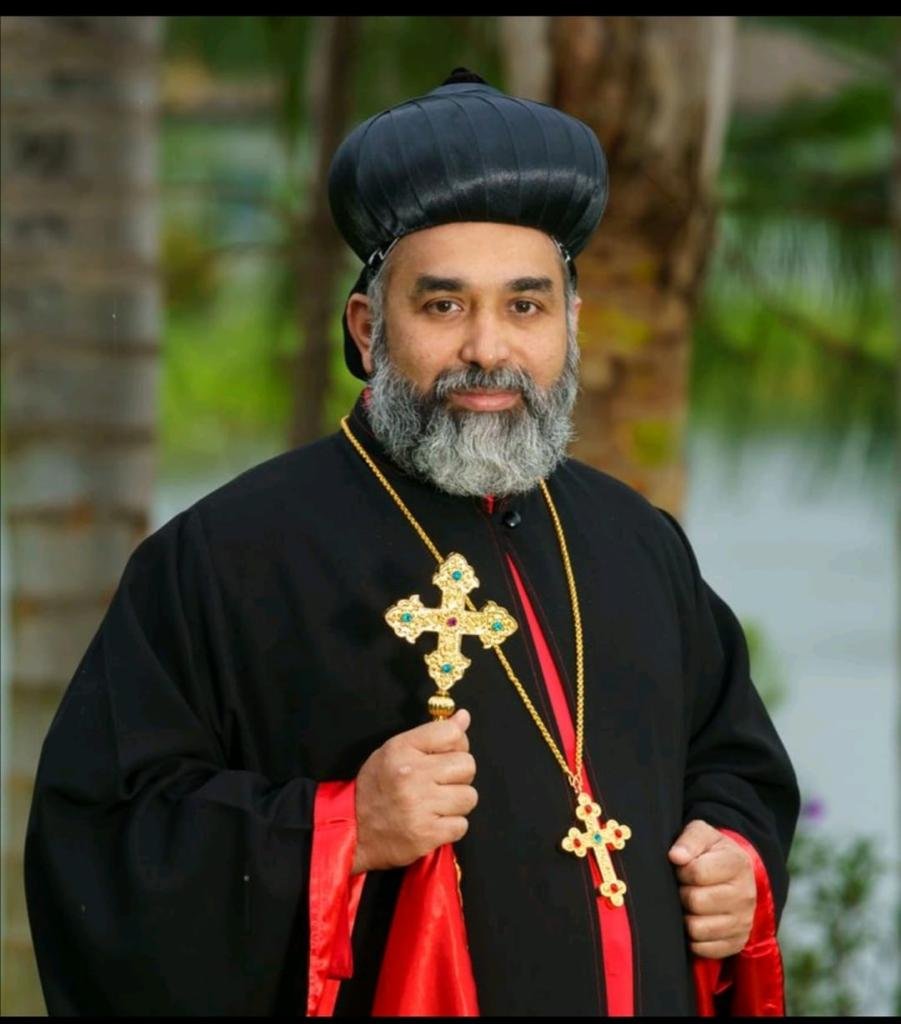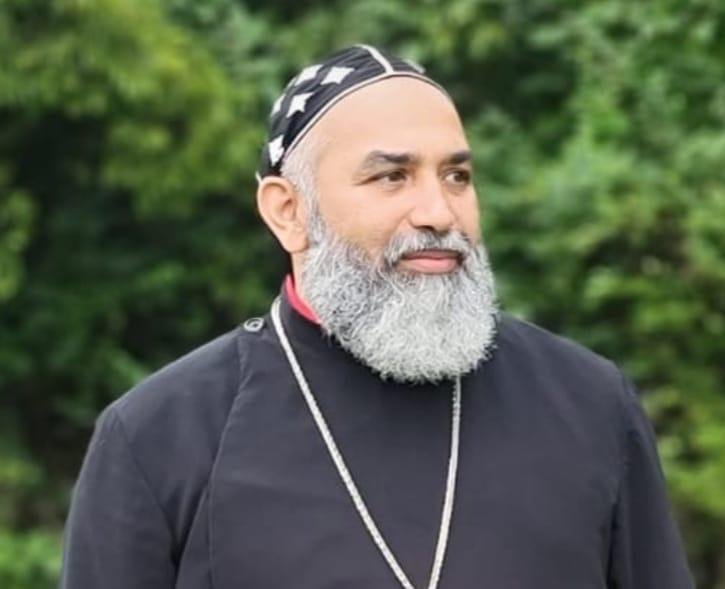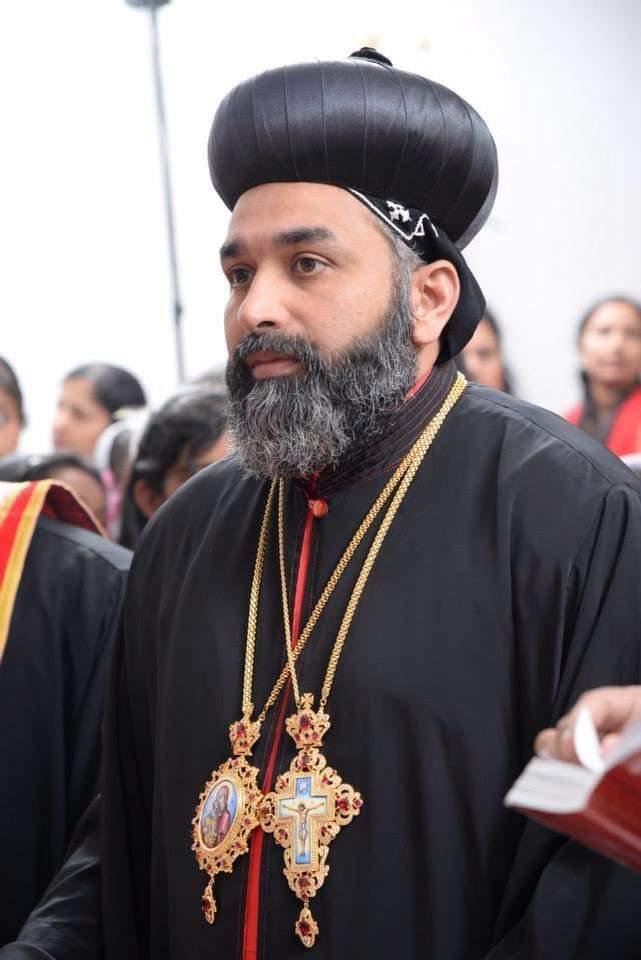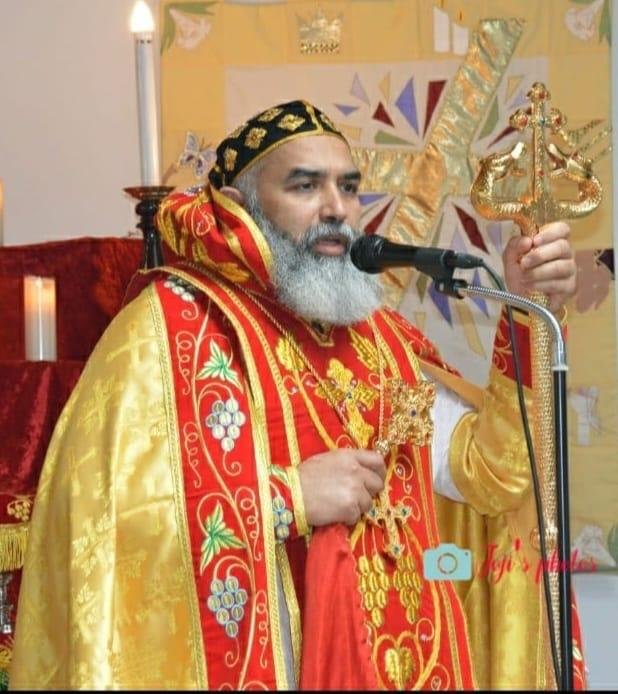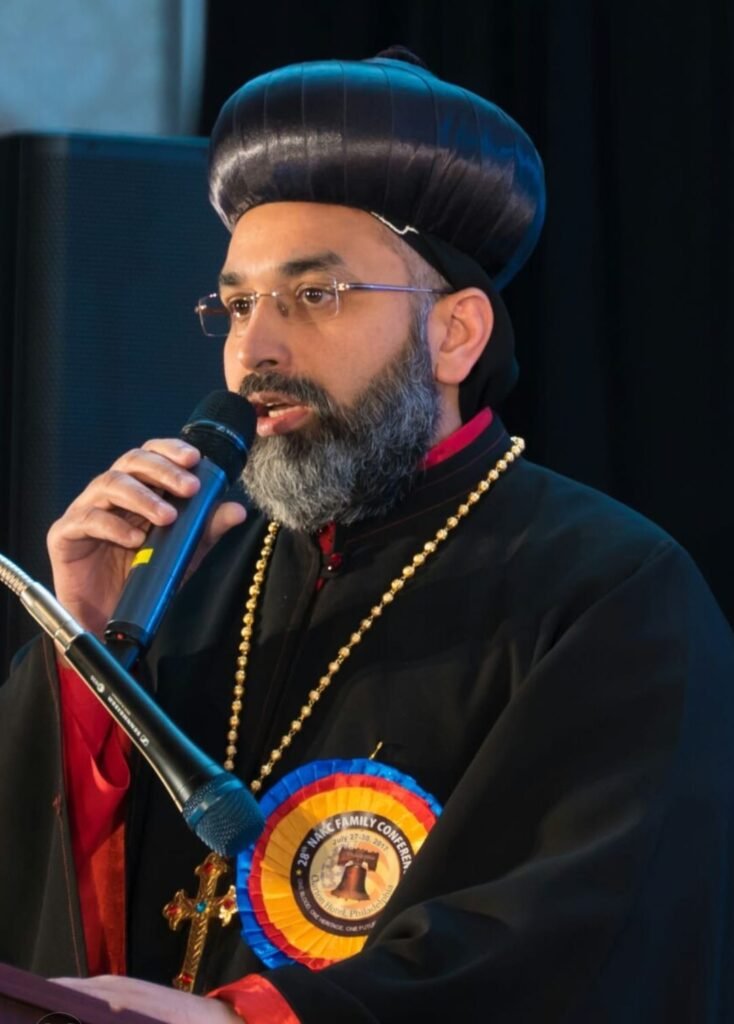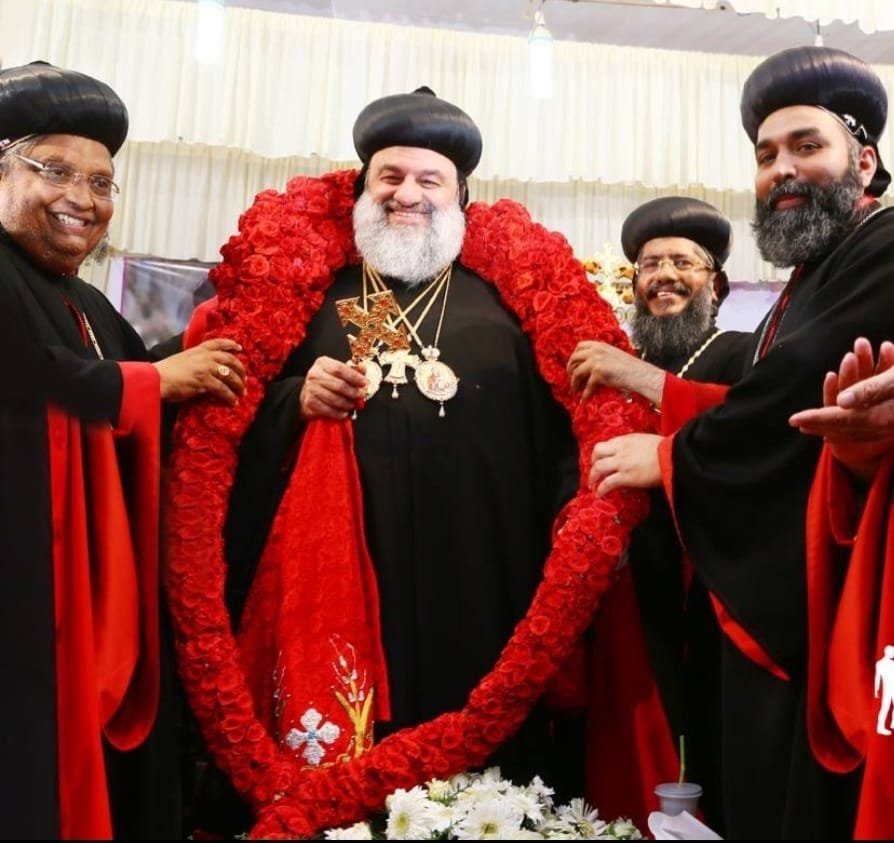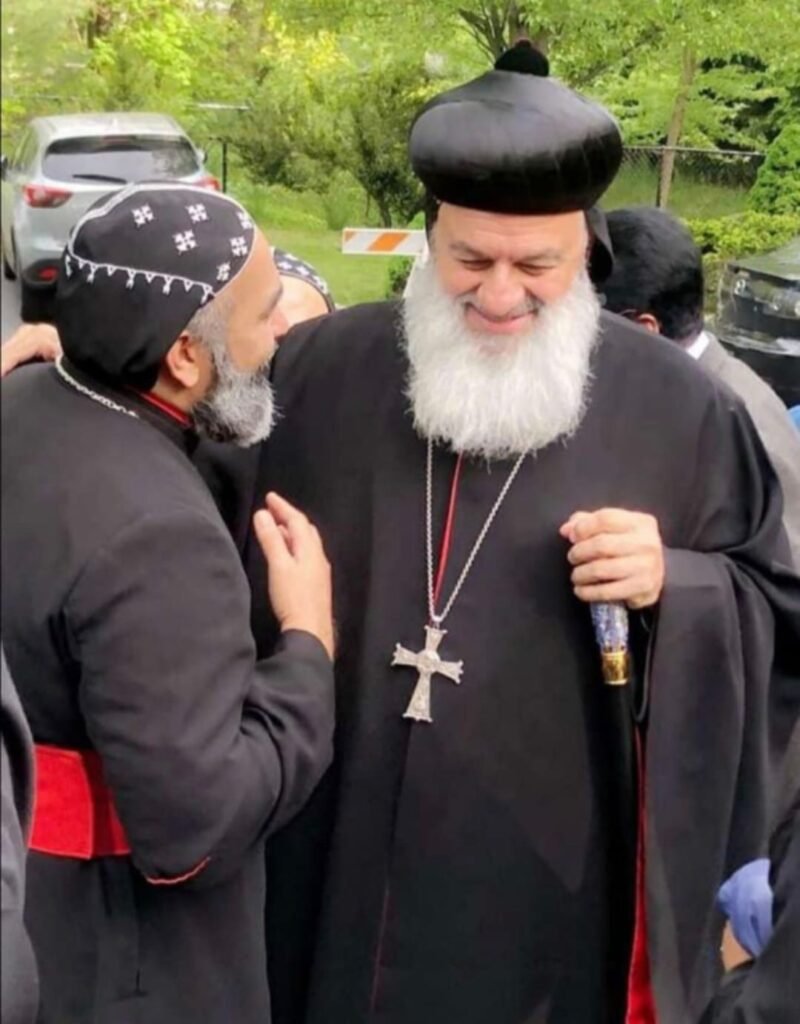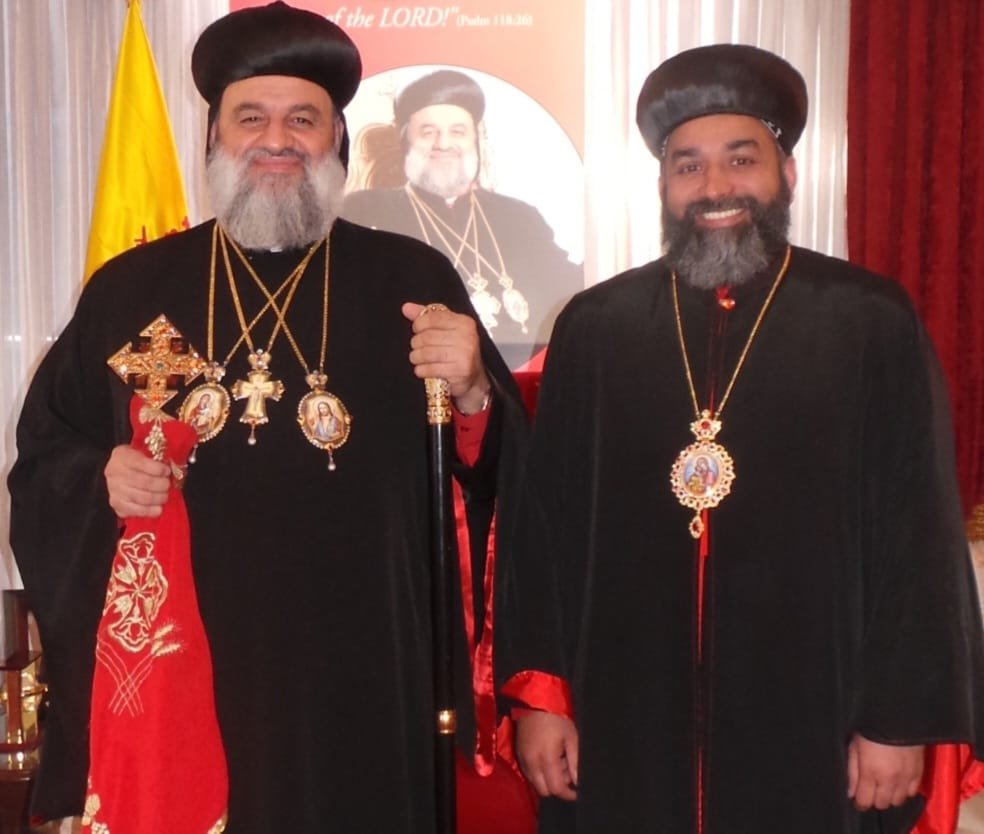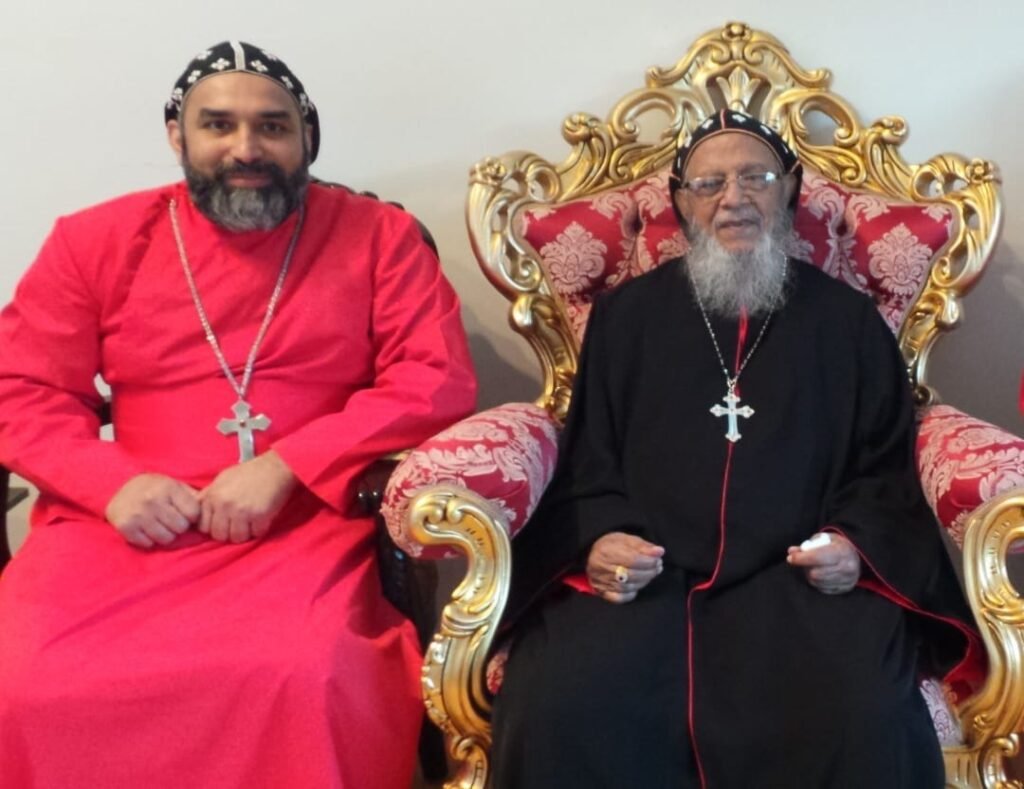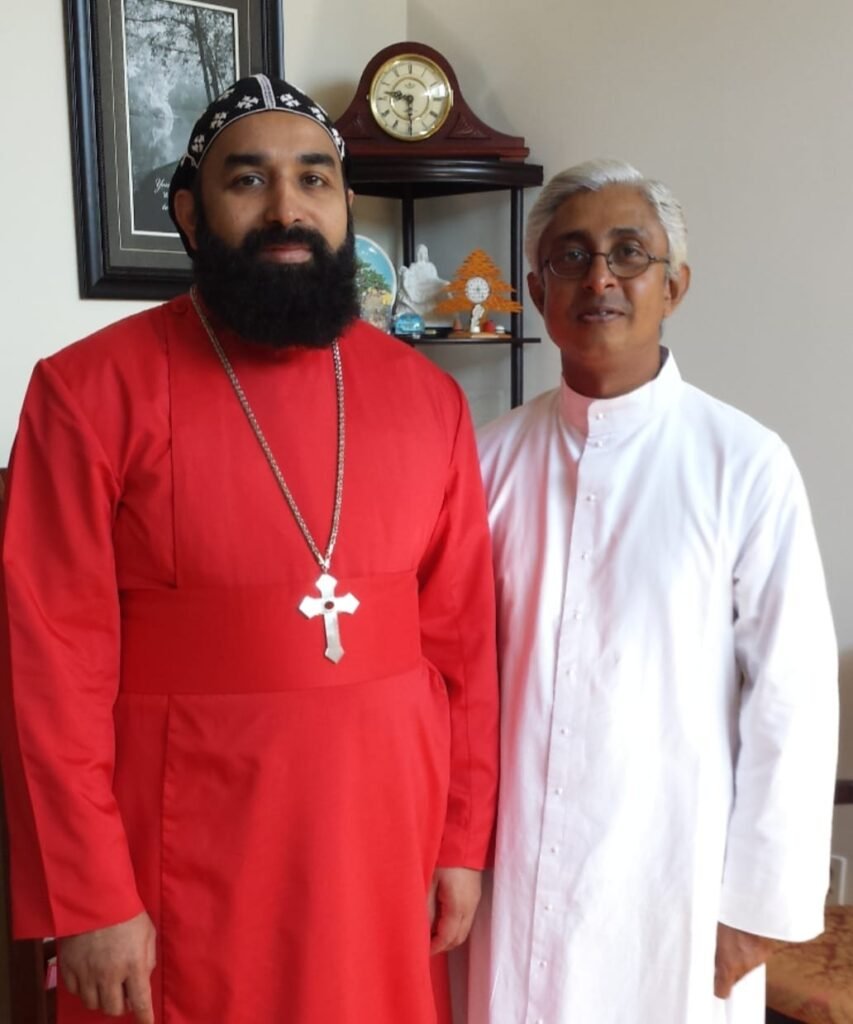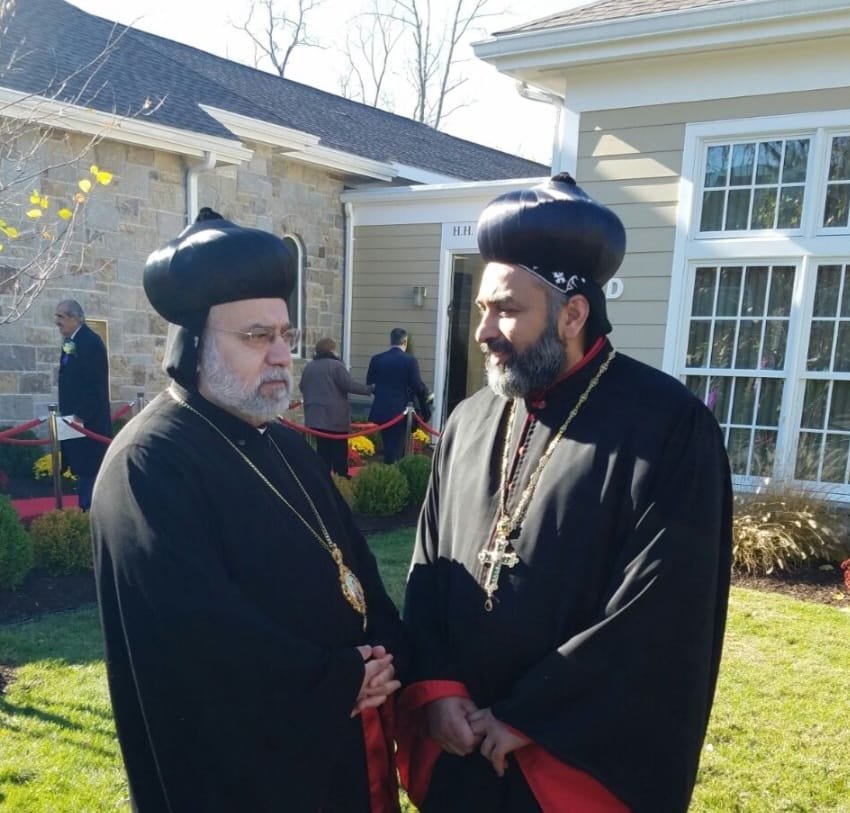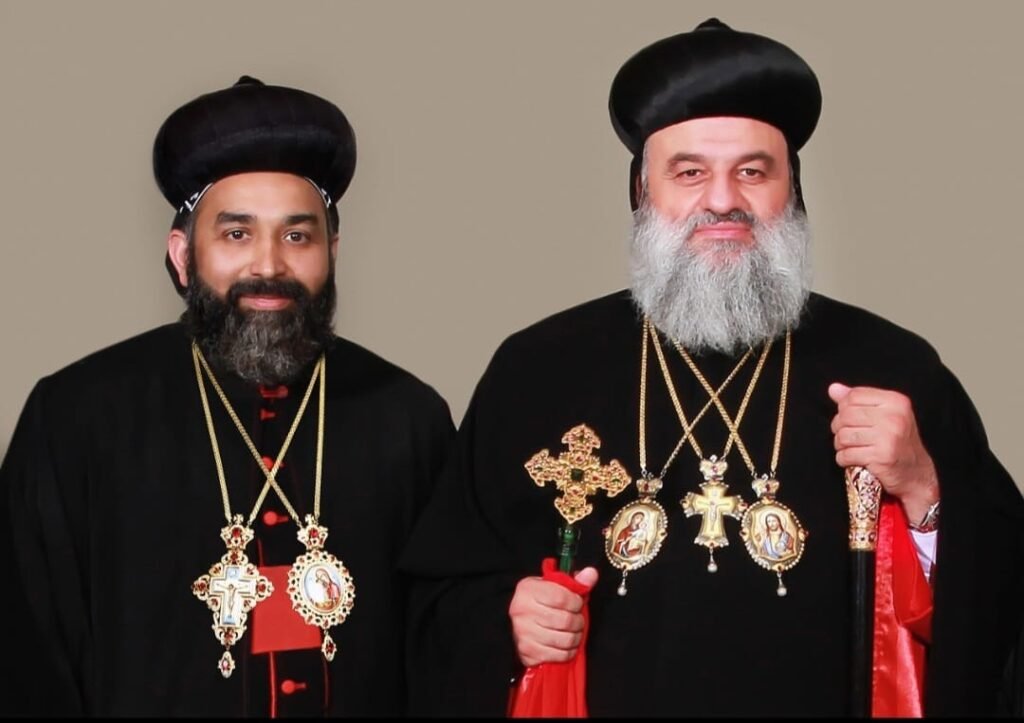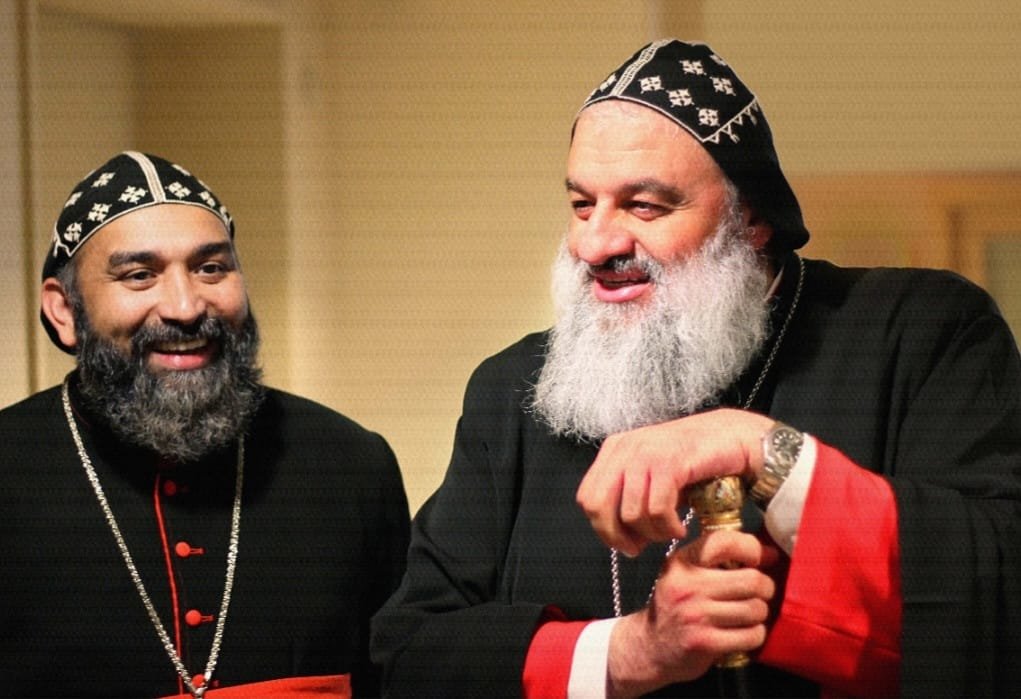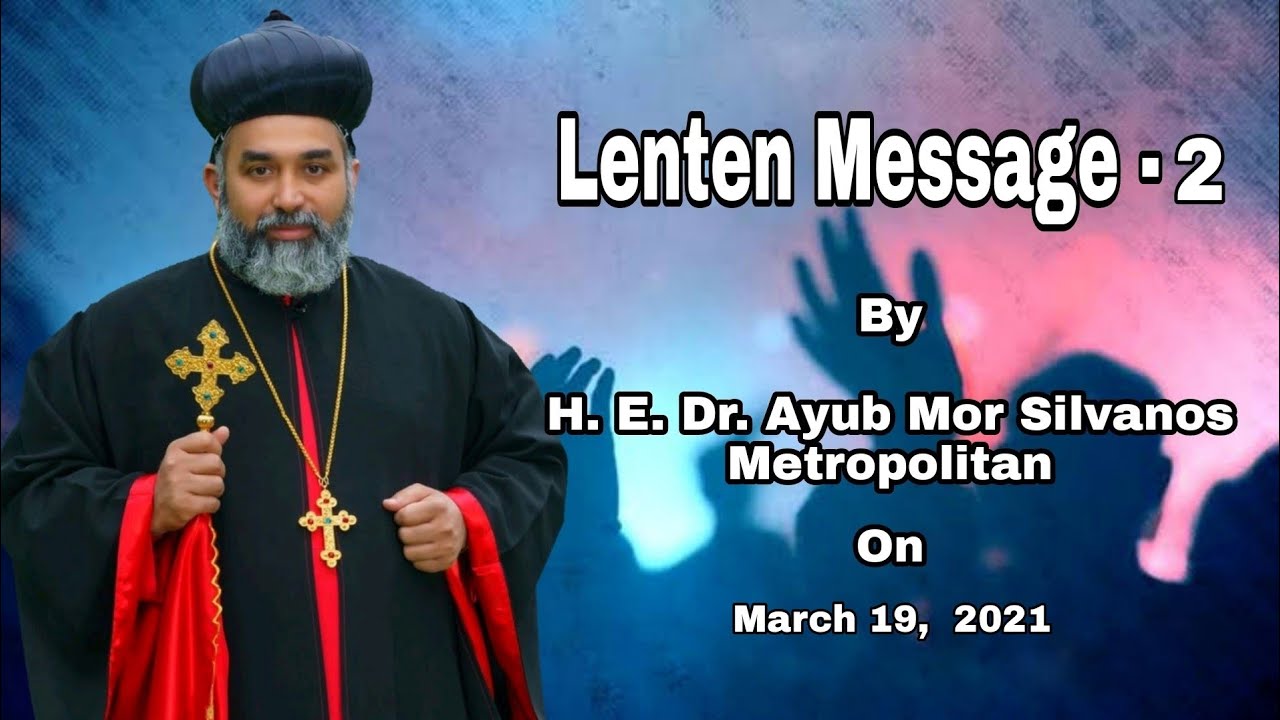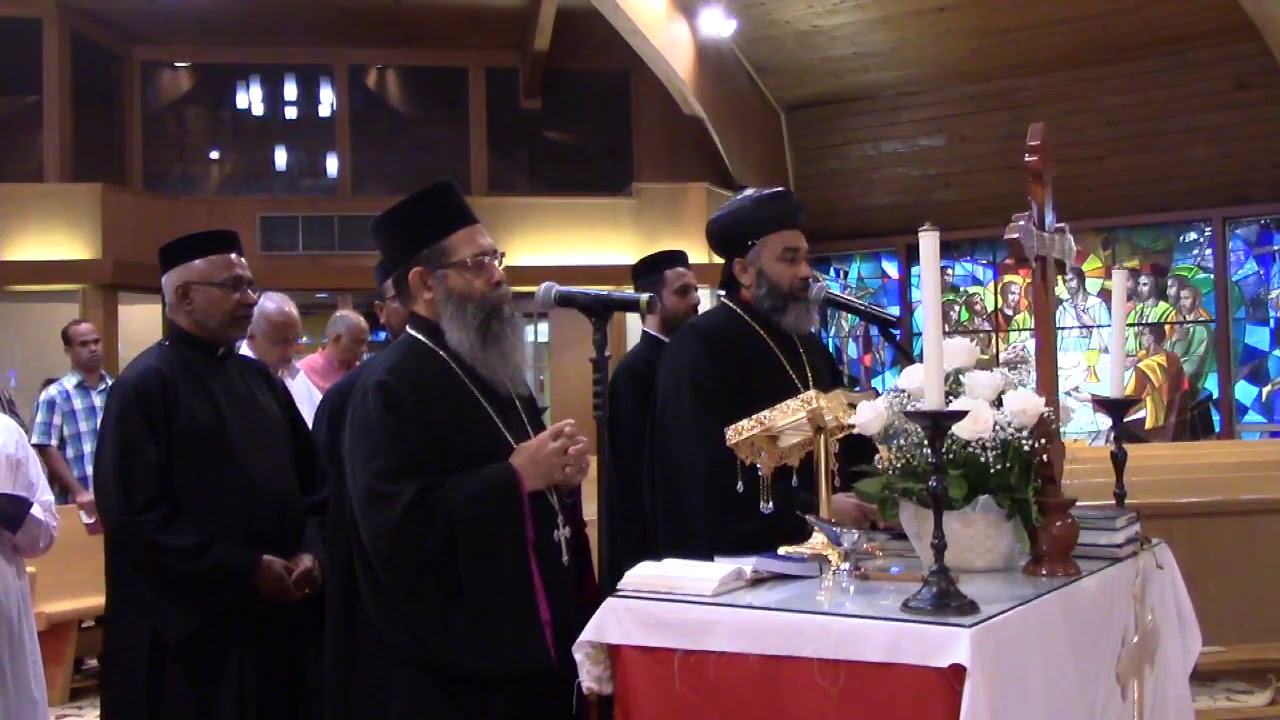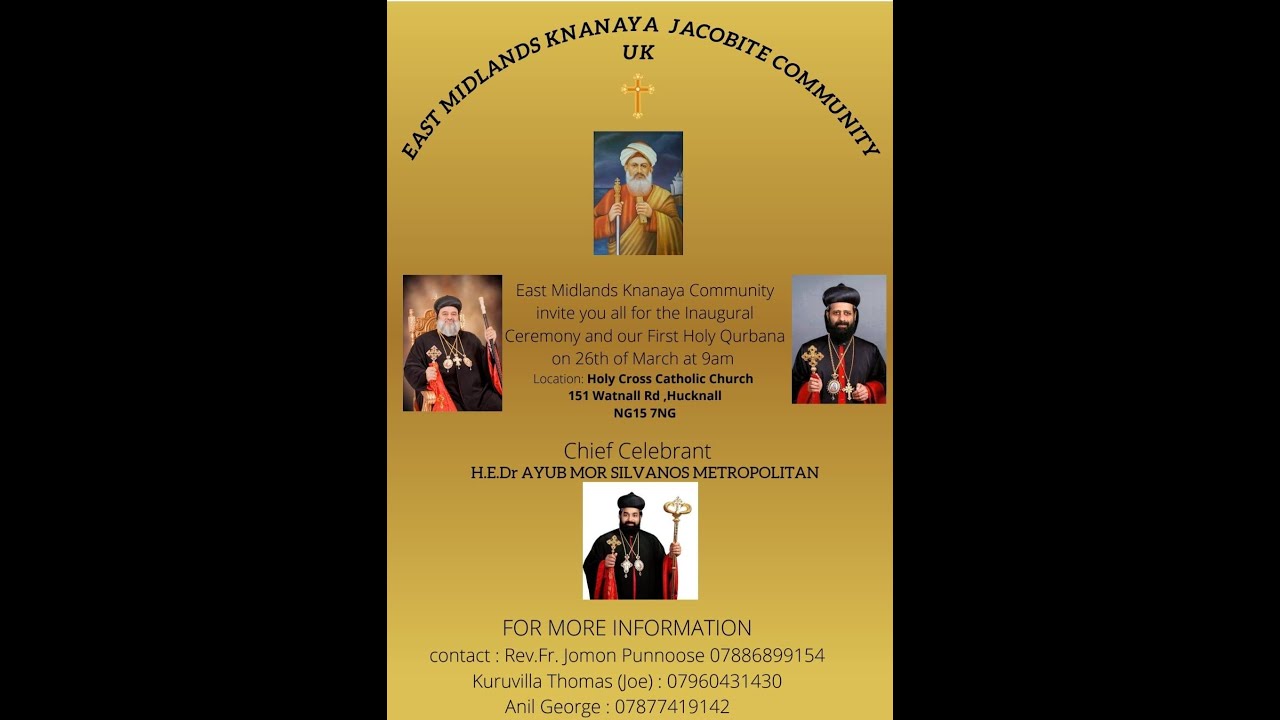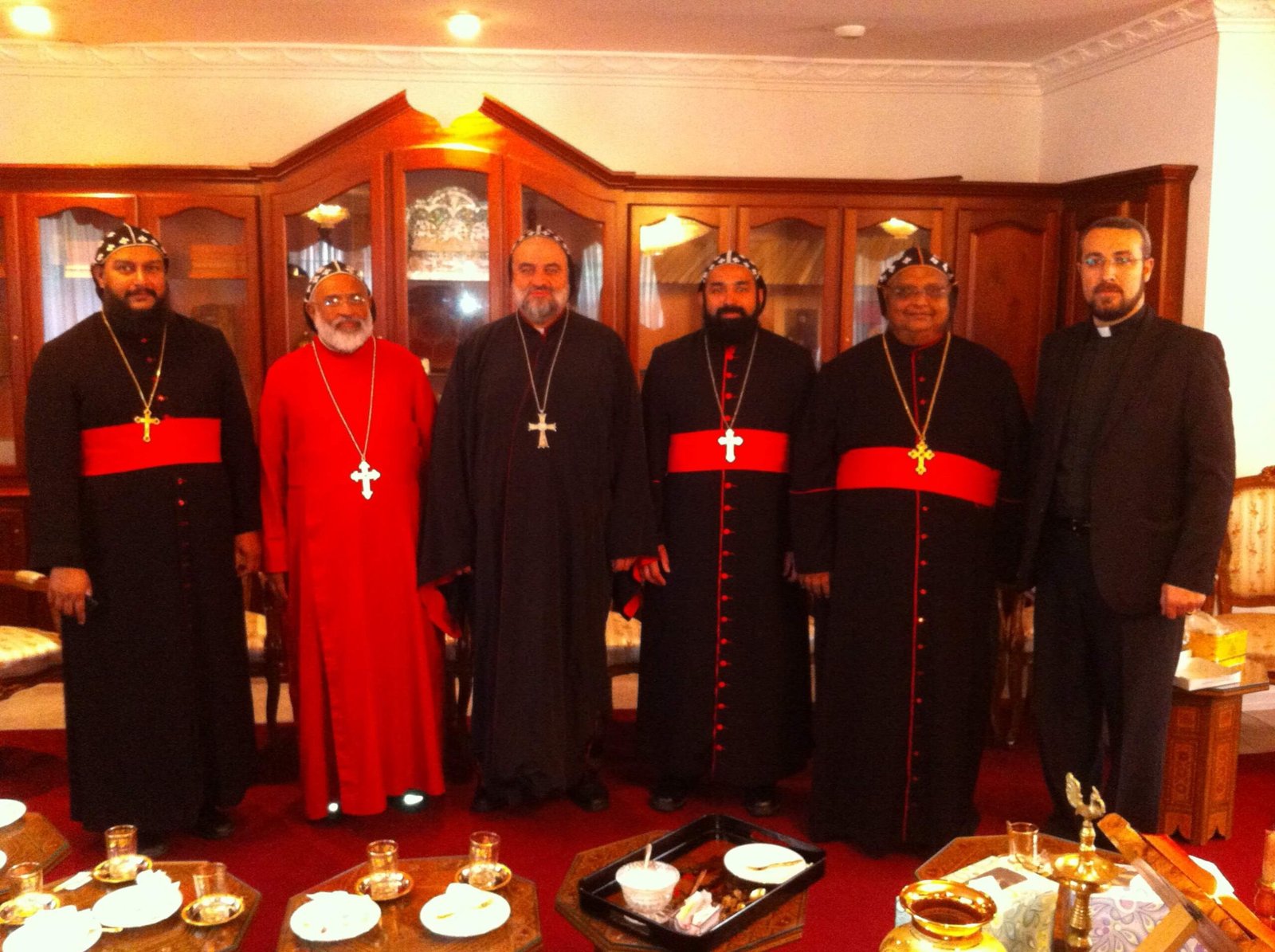
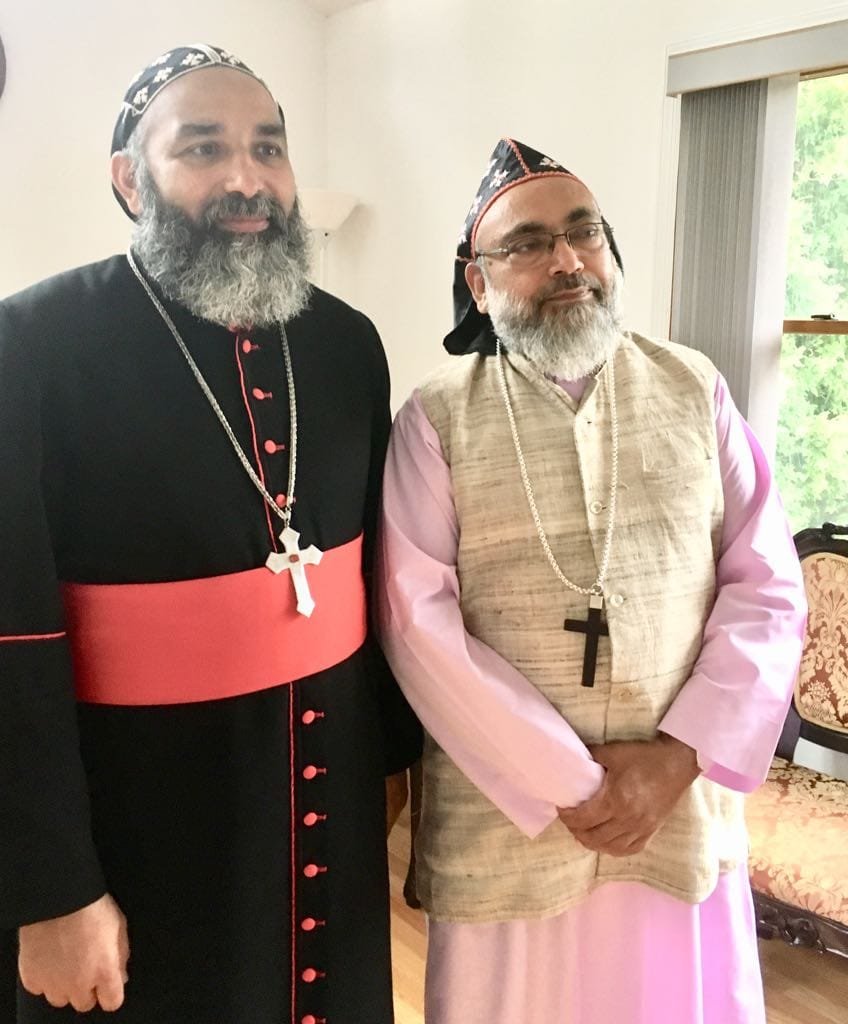
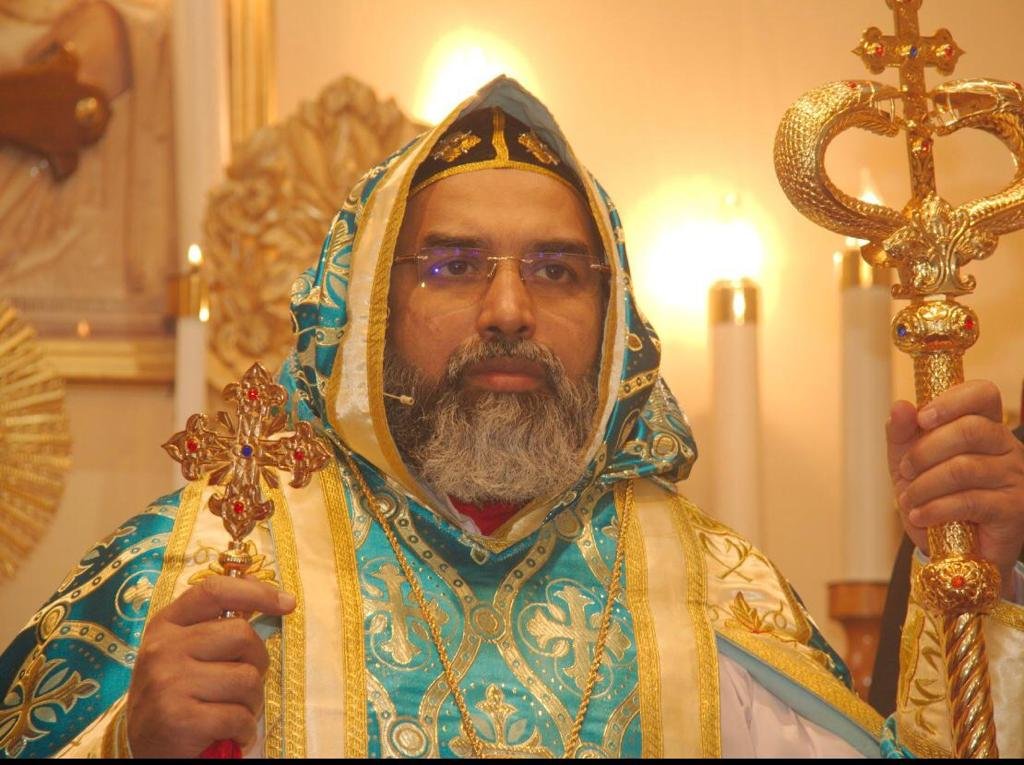
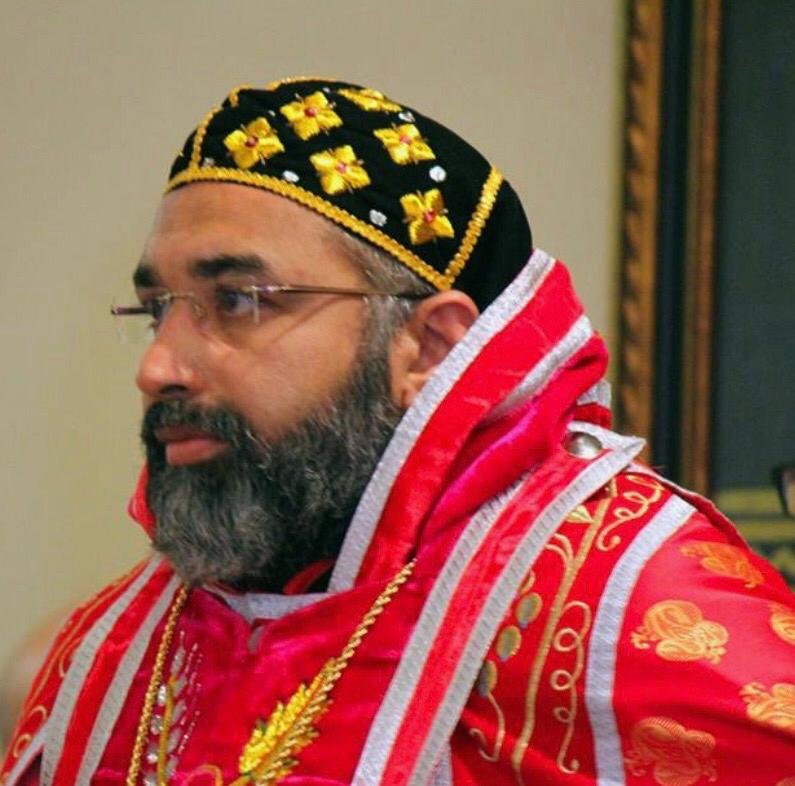
His Grace Dr. Ayub Mor Silvanos — Metropolitan
Scroll
50+ Years of Service
100+ Encyclicals Published
1972 Year of Birth
Prayers Heard
His Grace Dr. Ayub Mor Silvanos
Metropolitan
since ordination

A Life Devoted
to Faith & Service

His Grace Dr. Ayub Mor Silvanos (born Joby Uthuppan) was born on April 18, 1972, in the state of Kerala, India. From his earliest years, he was drawn deeply to the life of the Church and the traditions of the Syriac Orthodox faith.

He received his early education at the Government High School in Thirumeni, Kerala. Even as a young boy of twelve, he actively participated in parish activities, nurturing a spirit of devotion that would define his entire life.

Ordained as Metropolitan, Mor Silvanos has dedicated his ministry to shepherding the faithful, preserving ancient liturgical traditions, and sharing the Gospel through his writings, encyclicals, and pastoral presence.
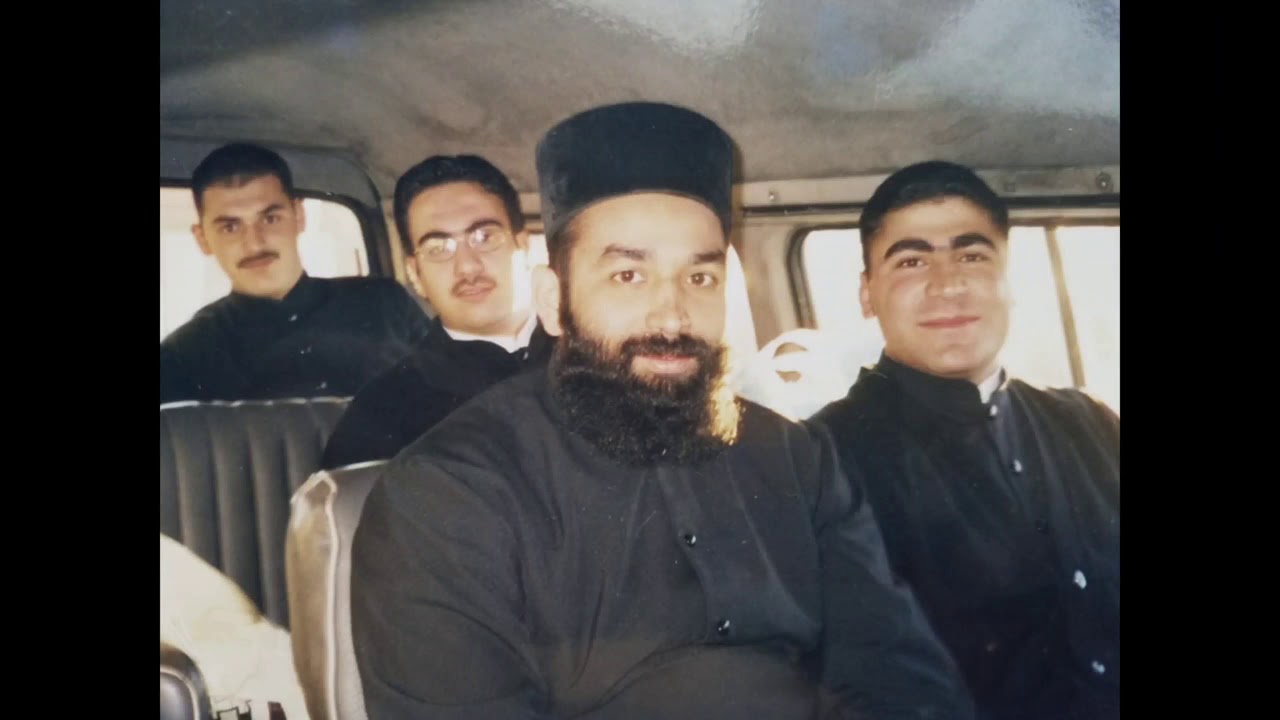
Born in Kerala April 18, 1972
Syriac Orthodox Metropolitan
📖
Scholar & Author Blogs & Encyclicals
🕊
Parish Leader From age twelve

Ayub Silvanos (formerly known as Joby Uthuppan or Job Thottathil) was born on April 18, 1972 as the son of Uthuppan Kandallur and Mariyamma Uthuppan and was brought up in a traditional Knanaya Syrian Orthodox family in Kerala, India. He had his schooling at the Government High School located at Thirumeni, in Kerala. He completed his pre-degree and graduate courses at Calicut University in Kerala, India. Early on from his childhood, church and altar had been his fascination. This influence could be attributed to his parents who were ardent Christians. They made it a practice to send him to Sunday school and for all other church related activities. From the tender age of 12, he began assisting in the parish in worship services. He had specific roles in the sanctuary. This definitely had its bearing on his thought and life style. He was drawn more and more to the mystery of Godhood and experienced the presence of God in the Sacraments.

When his preliminary education was drawing to an end, the question of what course to take for his future presented itself. There were lot of push and pull from many quarters to seek a job and become successful in life. But his desire was to be in the service of the kingdom of God. He realized that his call was to be in the vineyard of the Lord, serving people.

"From the tender age of 12, he began assisting in the parish in worship services — drawn more and more to the mystery of Godhood and the presence of God in the Sacraments."

He felt his vocation was to be a priest for the people of God. He expressed his desire to his Diocesan Bishop, who recommended him for seminary education after his secular graduation. He went to study theology at Serampore College, Calcutta, India founded by William Carey. It was here that his call to ministry was strengthened beyond doubt. In the meantime, he got ordained as a deacon of the diocese. He received his first four orders of ordination on 11th November 1995, fifth order on 27th May 1997 and became a full deacon on 7th June 1999. He was ordained as priest on 6th August 1999 by the venerable Chief Metropolitan of the East and the diocesan Bishop Mor Clemis Abraham. Ever since then he was practicing as parish priest in Kerala. In 2000 he went to Damascus, Syria for his Syriac studies. He spent more than a year in St. Ephrem Theological Seminary, Damascus. Upon conclusion of his studies there, he returned to India and served in a parish there.

Academic Formation

In the challenging ministry context of India, higher theological education is of paramount significance. To be able to witness Christ, understanding ministry is necessary. Hence his deepest desire to enrich and prepare himself for Christian ministry occurred. He came to Edinburgh University for his Post Graduation. During his scholastic endeavor he planted Knanaya parishes in different parts of United Kingdom. By the grace of God he successfully completed Master of Theology (M.Th) course in 2003. Furthermore, in order to enhance his knowledge and wisdom in Syriac language — Syriac is a dialect of Aramaic, which Christ himself spoke, and in which the Gospel was first preached — he joined Oxford University and successfully completed his Master of Syriac Studies in 2005.

Elevation to High Priesthood

In March 2008, the Malankara Suriyani Knanaya Syrian Christian Association held at Mor Ephraim Seminary in Chingavanam, Kottayam chose Rev. Fr. Job Thottathil and Fr. Kuriakose Kolath as new auxiliary Metropolitans for the Archdiocese and accordingly both were raised to the order of Ramban in May 2008. Mor Silvanos Ayub was elevated to high priest-hood on June 11, 2008 by His Holiness Moran Mor Ignatius Zakka I Iwas, the Patriarch of Antioch and All the East and the supreme head of the Universal Syriac Orthodox Church of Antioch. The consecration ceremony was held at the St. Ephraim Church at Ma'rrat Seydnaya, Damascus, Syria. Their Eminences Mor Severios Kuriakose (Archbishop of Knanaya Archdiocese), Mor Gregorios Kuriakose (Metropolitan of Kallissery region of the Knanaya Archdiocese), Mor Timotheos Aphrem Aboodi (former Patriarchal Vicar for Canada), Mor Theophilos George Saliba (Secretary to the Holy Synod) and Mor Clemis Daniel (Lebanon diocese) assisted His Holiness during this blessed consecration ceremony. The holy ceremony was attended by a large gathering of Rabans (Monks), Priests, Deacons, Nuns and many faithful from India.

On June 28, 2008 His Eminence was elected as the Secretary of the Knanaya Metropolitan Council. On February 1, 2009 H.E. took charge of America, Canada & Europe region of the Knanaya Archdiocese and on April 30th 2009, H.E. was elevated to Archbishop of America, Canada and Europe of the Knanaya Archdiocese by His Holiness Ignatius Zakka Iwas, the Patriarch of Antioch.

Pastoral Letters & Teachings

Guided by the Holy Spirit, Mor Silvanos regularly imparts wisdom through encyclicals — formal pastoral letters addressing faith, tradition, and Christian life.

01
January 21, 2006

Lent Encyclical 2006

"Mar'an – a'tha. The Lord had come (and will come)." A pastoral letter on the parable of the ten virgins, calling the faithful to keep their lamps lit with faith and good works as they await Christ's glorious second coming.

We offer apostolic benediction, and benevolent prayers, to our brethren, His Beatitude Mor Baselius Thomas I, Catholicos of India, and their Eminence the Metropolitans, our spiritual children the venerable priests, monks, nuns, deacons and deaconess, and our venerated Syriac Orthodox people all over the world. May the divine providence embrace them through the intercession of the Virgin Mary, and St. Peter, the Head of the Apostles, and the rest of the Martyrs and Saints. Amen.

"Mar'an – a'tha. The Lord had come (and will come)" (1 Cor 6:22)  ·  "And those who were ready went in with him to the wedding" (Matthew 25:10)

It is a heavenly wedding when the victorious holy church is wedded to her groom and her redeemer our Lord Jesus Christ, at the end of ages. Yes indeed, in His first coming, the Lord did establish His kingdom on earth and called her, His church. He gave His apostles authority to teach and preach so that the sons of perdition will become the children of His kingdom, active members in His holy church founded on the rock of faith in Him as "the Son of the Living God" (Matthew 16:16), the hope of all generations, the Second Person of the Holy Trinity, who descended from heaven and was incarnate from the Holy Spirit and the Virgin Mary, and saved us from our three enemies: Death, Sin and Satan.

The Lord gave us many parables about His kingdom. The kingdom of God is like a man who sowed good seeds but with it tares appeared. In the church there are both true believers and those who are not truly following Christ. The Lord said: "Let both grow together until the harvest" (Matthew 13:24-30). The good shall inherit His heavenly kingdom and the bad shall be thrown to outside darkness to inherit hell.

We notice in the parable of the ten virgins that the foolish ones, even though they believed in the Lord, did not keep the oil of mercy, love and good deeds in their lamps. When their lamps ran out of oil, the wise virgins went into the wedding. The foolish ones stood outside knocking, but the bridegroom said, "I do not know you." As St. James says: "Pure and undefiled religion before God the Father is this: to visit orphans and widows in their trouble" (James 1:27).

The Lord said, "I desire mercy and not sacrifice" (Matthew 12:7). St. James the Apostle wrote: "What does it profit, my brethren, if someone says he has faith but does not have works? Can faith save him? … Faith by itself, if it doesn't have works, is dead" (James 2:14 & 20). The Lord praised the Good Samaritan who showed mercy to the wounded man — proving that mercy deeds accompanied by faith find favor in the eyes of God.

My beloved, when Jesus ascended into heaven, two angels appeared and said: "This same Jesus, who was taken up from you into heaven, will so come in like manner as you saw Him go into heaven" (Acts 1:11). The early Christians greeted one another in Syriac-Aramaic: 'Mar'an – A'tha — Our Lord has come and shall come again.' The church has since stood alert, awaiting the second coming of Jesus. In His first coming He redeemed us and defeated our enemies: Death, Satan and sin. In His second coming He shall come to judge the world.

Let us be like the five wise virgins, holding dear to our doctrine of faith, walking in the light of Jesus, filled with the flame of faith. Real faith is accompanied by good works — otherwise it is a dead faith. And whenever He comes, He will find us ready and awaiting Him with lamps full of oil. He shall invite us to His wedding, and we shall enjoy His heavenly table forever.

May God accept your fasting, prayers and charity deeds. May He have mercy upon the souls of your beloved departed, and may He make you worthy to celebrate His glorious resurrection with spiritual joy, good health and prosperity. Aboun d' Bashmayo w'sharko (Our Father Who art in Heaven…), Amen.

Issued at our Patriarchal residence in Damascus, Syria, on the 21st day of January, in the year two thousand six, the 26th year of our Patriarchal reign.

02
February 25, 2005

Lent Encyclical 2005

"I have come that they may have life, and that they may have it more abundantly. I am the good shepherd." A meditation on Christ the True Messiah and Good Shepherd who came to redeem humanity from sin, death, and Satan.

We offer apostolic benediction, and benevolent prayers, to our brethren, His Beatitude Mor Baselius Thomas I, Catholicos of India, and their Eminences the Metropolitans, our spiritual children the venerable priests, monks, nuns, deacons and deaconess, and our blessed Syriac Orthodox people all over the world. May the divine providence embrace them through the intercession of the Virgin Mary, and St. Peter, the head of the apostles, and the rest of the Martyrs and Saints. Amen.

"I have come that they may have life, and that they may have it more abundantly. I am the good shepherd. The good shepherd gives his life for the sheep." (John 10:10-11)

In chapter ten of the Gospel of John, the Lord Jesus Christ summarized the ultimate goal for His Divine Incarnation. He first declared His mission when He entered the synagogue in Nazareth: "The Spirit of the Lord is upon Me, because He has anointed Me to preach the gospel to the poor… to heal the brokenhearted, to proclaim liberty to the captives… to proclaim the acceptable year of the LORD. Today this Scripture is fulfilled in your hearing" (Luke 4:16-21).

He is the Word of the Eternal God, described by John the Apostle: "In the beginning was the Word, and the Word was with God, and the Word was God… And the Word became flesh and dwelt among us, and we beheld His glory, the glory as of the only begotten of the Father, full of grace and truth" (John 1:1-14). He is the wish of all generations, the hope of all nations, and the center of the Holy Bible from Genesis to Revelation. All prophecies of the Old Testament were fulfilled verbatim in the Lord Jesus Christ "at the fullness of time" (Galatians 4:4).

The goal of His Holy Incarnation was to save mankind from original sin and bring back the eternal spiritual life lost in Paradise. St. Paul said: "Just as through one man sin entered the world… much more the grace of God and the gift by the grace of one Man, Jesus Christ, abounded to many" (Romans 5:12-17). He became a sacrifice on behalf of Adam's descendants: "For He made Him who knew no sin to be sin for us, that we might become the righteousness of God in Him" (2 Cor. 5:21).

Jesus is the only true savior who descended and took flesh. He declared His authority over all kinds of death: death of sin, natural death, and eternal death. He is "the bread of life," and said: "Whoever eats My Body and drinks My Blood has everlasting life, and I will raise him on the last day" (John 6:54). He died on the cross and rose from the dead on the third day, giving us victory over Satan, death and sin. St. Paul wrote: "I have been crucified with Christ; it is no longer I who live, but Christ lives in me" (Galatians 2:20).

The will of the Lord is to have His life lived through all believers. We must ask ourselves at every decision: what would Jesus do? This is when we feel that Jesus is really living in us. We must walk the way He provided, believe the facts of faith, and follow the golden rule: "Whatever you want men to do to you, do also to them" (Matthew 7:12). He is Emanuel — God is with us.

The great Lent is the best occasion to repent and come back to God. Let us continue praying and giving charity so that God will have mercy upon us. When we do truly repent, God will give us back the robe of righteousness and we shall be counted among His flock, for He is the good shepherd who knows His flock by name, carries the stray on His shoulders, and brings it back to His yard.

May God accept your fasting, prayers, alms, and true repentance, and make you worthy to celebrate His resurrection with purity, holiness, and joy. Aboun d' Bashmayo w'sharko (Our Father Who art in Heaven…), Amen.

Issued at our Patriarchal residence in Damascus, Syria, on the 25th day of February, in the year two thousand five, the 25th year of our Patriarchal reign — and, by the Grace of God, the year of our Patriarchal Silver Jubilee.

03
January 30, 2004  ·  Year of the Holy Bible

Lent Encyclical 2004

Designated as the Year of the Holy Bible by the Holy Antiochian Syrian Orthodox Synod, this encyclical affirms Scripture as the divinely inspired, unchanging Word of God and calls the faithful to study and meditate on it daily.

We offer apostolic benediction, benevolent prayers, and greetings to our brethren, His Eminence Mor Baselius Thomas I, Metropolitan of India, and their Eminences the Metropolitans, our spiritual children the venerable priests, monks, nuns, deacons and deaconess, and our blessed Syrian Orthodox people all over the world. May the divine providence embrace them through the intercession of the Virgin Mary, Mother of God, and St. Peter, the head of the apostles, and the rest of the Martyrs and Saints. Amen.

In response to the call by Holy Bible institutions of the world, our Holy Antiochian Syrian Orthodox Holy Synod decided in September 2003 that the year 2004 would be considered the Year of the Holy Bible — to urge the faithful to have faith that the Holy Bible in its original languages is the exact same text written by the prophets and apostles, delivered to our ancestors without any addition or omission.

All Christians have agreed that God inspires the Holy Bible. St. Paul says: "All scripture is given by inspiration of God, and is profitable for doctrine, for reproof, for correction, for instruction in righteousness, that the man of God may be complete, thoroughly equipped for every good work" (2 Timothy 3:16-17). The center of gravity in the Holy Bible is the Lord Jesus Christ, the Saviour of the world. As St. John writes: "But these are written that you may believe that Jesus is the Christ, the Son of God, and that believing you may have life in His name" (John 20:31).

The Holy Bible has a special high rank in our Syriac church as the first and most important source of our doctrine of faith. It was said that if the Holy Bible written in Syriac were somehow lost, it could be reconstructed entirely from the writings of St. Ephraim the Syriac, compiled from Scripture in the fourth century. Our fathers carried the torch of the Holy Gospel to many areas of the world, and our monasteries and churches were filled with biblical manuscripts in the holy Syriac language — the oldest and most important copies found in museums today.

According to our Syriac tradition, a decorated podium is set in the center of the altar on which the Holy Gospel is laid. Its cover is gold or silver-plated with the four apostles and a cross carved upon it. The faithful kiss it for blessing when they enter and leave the church. A special deacon's prayer calls on the faithful to stand and listen with fear and wisdom to the word of salvation while the fragrance of incense fills the air. The Holy Church urges clergy and faithful to study the Holy Bible: "Your word is a lamp to my feet and a light to my path" (Psalm 119:105).

My beloved, it is a golden opportunity that we have in the upcoming great Lent. Let us come closer to Jesus Christ, setting His life and mission on earth as our example. Let us learn from Him about fasting and prayers — for He fasted forty days and forty nights and defeated Satan by the words of Holy Scripture, saying: "This kind does not go out except by prayer and fasting" (Matthew 17:21). We should meditate on the Holy Bible especially during the quietness of the night, listening with faith, hope and love to His holy words. The Almighty spoke to us through His Only Begotten Son — "the Word became flesh and dwelt among us" (John 1:14) — and the Heavenly Father commands us: "This is My beloved Son, in whom I am well pleased. Hear Him" (Matthew 17:5).

May God bless you and make you worthy to renew your spiritual relation with Him. May He accept your fasting and prayers, and make you worthy to celebrate His resurrection with purity, holiness, and joy. Aboun d' Bashmayo w'sharko (Our Father Who art in Heaven…), Amen.

Issued at our Patriarchate in Damascus, Syria, on the 30th day of January, in the year two thousand and four, the 24th year of our Patriarchal reign.

04
February 7, 2003

Lent Encyclical 2003

"Come to me, all you who are weary and burdened, and I will give you rest." A pastoral call to answer Christ's invitation and trust in His divine power over the storms of life amid trials, violence, and spiritual hardship.

We offer apostolic benediction, prayer, and greetings in the Lord to our brethren, their Eminencies the Metropolitans, our spiritual children the venerable priests, monks, nuns, deacons, deaconesses, and our blessed Syrian Orthodox people. May the divine providence embrace them through the prayers of the Virgin Mary the Mother of God, St. Peter the head of the apostles, and the rest of the Martyrs and Saints. Amen.

LET US ANSWER THE CALL OF OUR LORD JESUS CHRIST

"Come to me, all you who are weary and burdened, and I will give you rest. Take my yoke upon you and learn from me, for I am gentle and lowly in heart, and you will find rest for your souls." (Matthew 11:28-30)

In the hardship of life in this world, after the fall of man in sin and his dismissal from Paradise, humanity wandered aimlessly burdened under the yoke of the accursed Devil. As St. Paul says, "For all have sinned and are short of the glory of God" (Romans 3:23). Mankind became badly in need of the Savior whom God the Father promised. St. Paul writes: "But the fullness of the time was come, God sent forth His Son… to redeem them who were under the law, that we might receive the adoption of sons" (Galatians 4:4-5).

The Lord Jesus sensed practically, during His public ministry, the misery of mankind in their bitter clash with their enemy the Devil. St. Peter warns us: "Be sober, be vigilant; because your adversary the Devil walks about like a roaming lion, seeking whom he may devour. Resist him, steadfast in the faith" (1 Peter 5:8-9). How often the Devil used natural factors to destroy souls! How many did he deceive, causing them to leave the house of the Heavenly Father like the prodigal son, squandering their graces and wallowing in sin. As the prophet Isaiah says: "Your iniquities have separated you from your God; and your sins have hidden His face from you" (Isaiah 59:1-2).

Once the Lord Jesus commanded His disciples to cross to the other side of the lake and fell asleep at the stern of the boat. A great windstorm arose. The waves beat into the boat almost sinking it. The disciples awakened Him saying, "Teacher, do you not care that we are perishing?" Then He rose and rebuked the wind: "Peace, be still!" And there was a great calm. He said to them, "Why are you so fearful? How is it that you have no faith?" (Mark 4:38-41). The mighty power of the Lord over the forces of nature was manifested. The devil had seized the opportunity of the Lord's sleep, but the Lord is mighty guard of His followers.

In this crooked generation, we who have received the grace of Holy Baptism often become worried when faced with misfortune, forgetting that the ship will never sink as long as the Lord is on board. The holy church, which resembles a ship in the high seas, will never shake no matter how small, as long as the Lord is with us. Christ is with us and He promised: "Wherever two or three are gathered in my name, I am there among them" (Matthew 18:20). He is "Emanuel" — God is with us. St. Paul says: "God is faithful, and He will not let you be tempted beyond your strength, but with the temptation will also provide the way of escape" (1 Corinthians 10:13).

Dearly beloved: in the present hard circumstances that our world is going through today, when violence, injustice and tyranny is widespread, and most people have distanced themselves from God, let us answer the call of our Lord Jesus Christ and turn to Him. Let us seize the opportunity of the blessed Lent and couple our fast with prayer, earnest repentance, and almsgiving, asking the Lord to spread His peace and security over all regions of the globe.

May God accept your fast, prayers, and alms, and make you worthy to celebrate the feast of His resurrection from the dead joyfully and happily. Abun d-bashmayo w-sharko (Our Father Who art in Heaven…).

Issued at our Patriarchate in Damascus, Syria, on the 7th day of February, in the year two thousand and three, the 23rd year of our Patriarchal reign.

05
January 24, 2002  ·  On Prayer

Lent Encyclical 2002

"Ask and it will be given to you; seek and you will find; knock and it will be opened to you." A pastoral letter on the indispensable power and practice of prayer as the believer's weapon against sin and the devil.

We offer apostolic benediction, benevolent prayers, and greetings in the Lord to our brethren, their Eminencies the Metropolitans, our spiritual children the venerable priests, the devout monks, nuns, deacons, and our blessed Syriac Orthodox people. May the divine providence embrace them through the prayers of the Virgin Mary the Mother of God, St. Peter the head of the apostles, and the rest of the Martyrs and Saints. Amen.

"Ask and it will be given to you; seek and you will find; knock and it will be opened to you. For everyone who asks receives; he who seeks finds; and to him who knocks, the door will be opened." (Matthew 7:6, 8)

Lend your ears all you travelers on the road of life in this world. The Lord Jesus prescribes to you the medicine for every ailment — to raise prayers in His name to the heavenly Father. He promises that your fervent petitions will be answered if presented with solid faith. Apostle Paul defines this faith: "Now faith is the assurance of things hoped for and the conviction of things not seen" (Hebrews 11:1). Pour your souls, hearts and minds before Him in humility, meekness, repentance and total remorse for all the trespasses you have committed, and He will give you rest from your labors — just as the merciful father gave back the robe of righteousness to his repentant lost son (Luke 15:21-24).

The Lord Jesus compared the righteousness of the Heavenly Father with the compassion of a human father: "Which of you, if his son asks for bread, will give him a stone? If you then, though you are evil, know how to give good gifts to your children, how much more will your Father in Heaven give good gifts to those who ask him" (Matthew 7:9-11).

Man since the beginning of his existence has been clashing with the devil in a relentless war. Apostle Peter urges us: "Be vigilant and alert, because your adversary, the devil, prowls around like a roaring lion looking for someone to devour. Resist him, standing firm in the faith" (1 Peter 5:8-9). Praying to God is thus very necessary. The Lord Jesus teaches us in the Lord's Prayer: "Enter us not into temptation, but deliver us from the evil one." If we persist in praying to the heavenly Father in the name of Jesus, He will be with us in our struggle with the devil, for He redeemed us by His precious Blood and gave us victory.

Jesus commands: "Wake up and pray so that you will not fall into temptation. The spirit is indeed ready, but the flesh is weak" (Matthew 26:41). Apostle James teaches: "The prayer of a righteous man is powerful and effective. Elijah prayed earnestly that it might not rain, and it did not rain for three and a half years. Again he prayed, and the heaven gave rain" (James 5:16-18). The repenting tax collector prayed in humility, "God, have mercy on me, a sinner," and Jesus said: "This man went home justified" (Luke 18:13-14). The repenting thief on the Cross heard the Lord's promise: "Truly I say to you, today you will be with Me in Paradise" (Luke 23:43).

If our prayer is not answered, let us examine ourselves. God may delay answering to show the strength of our belief — as with the Canaanite woman who persistently cried out for her possessed daughter. The Lord praised her great faith and healed her daughter. We should pray without tepidity, submitting to God's will and saying: "Let your will be done, O Lord."

We must persevere in public prayer in the holy church and also perform morning and evening prayers in our homes. We must carry on reading the holy Bible to know His commandments. The Lord commanded: "Whatever you ask for in prayer, believe that you will receive it, and it will be yours" (Mark 11:24).

May the Lord God bless you and make you worthy to renew your spiritual relationship with Him. May He accept your fast, prayers and almsgivings, and make you worthy to celebrate the feast of His glorious resurrection in joy, happiness, good health, and great success. Abun d-bashmayo w-sharko (Our Father Who art in Heaven…).

Issued at our Patriarchate in Damascus, Syria, on the 24th day of January, in the year two thousand and two, the 22nd year of our Patriarchal reign.

06
September 2001

Condemning the Attack on the World Trade Center

A solemn pastoral letter strongly condemning the September 11 terrorist attacks on New York and Washington D.C., expressing grief for the innocent victims, and urging leaders to pursue justice without afflicting suffering on other innocent people.

We offer apostolic benediction and benevolent prayers to our brothers in Christ their Eminencies Mor Clemis Eugene Kaplan and Mor Cyril Aphrem Karim, and to our spiritual children the priests, deacons and deaconesses, and the entire Syrian Orthodox faithful in the United States of America. May the divine providence embrace them through the prayers of Virgin Mary, Mother of God, and Sts. Peter and Paul, the heads of the Apostles, and the rest of the martyrs and saints. Amen.

We recoil in horror and disbelief at the injury and loss of life caused by the recent bombings in the cities of New York and Washington D.C. Countless innocent people going to work and school had their lives torn apart. We are indeed saddened by this tragic event and strongly condemn this barbaric attack against humanity. We remember all the victims in sorrow and we lift up in prayer their families and loved ones.

These tragic events invite us all to reflect on how such tragedies, both in the United States of America and elsewhere in the world, might be prevented in the future. Our hope and prayer is that such horrendous crimes will never occur again. At this time of mourning we pray God to grant your leaders wisdom that in their pursuit of justice they may not afflict suffering on other innocent people. We also ask all of you to be God's agents of peace and reconciliation and to remind everybody that evil can only be overcome by goodness.

In closing, we convey to you our paternal benediction, asking the Lord Almighty to heal the wounds and infirmities of all.

Issued at our Patriarchate in Damascus, Syria, September 2001.

07
February 10, 2001  ·  Faith Working Through Love

Lent Encyclical 2001

"For in Christ Jesus, neither circumcision nor uncircumcision avails anything, but faith working through love." (Galatians 5:6) On the inseparability of genuine faith and merciful deeds in the Christian life.

We offer apostolic benediction, benevolent prayers, and greetings in the Lord to our brethren, their Eminencies the Metropolitans, our spiritual children the venerable priests, the devout monks, nuns, deacons, and our blessed Syriac Orthodox people. May the divine providence embrace them through the prayers of the Virgin Mary the Mother of God, St. Peter, the head of the apostles, and the rest of the Martyrs and Saints. Amen.

"For in Christ Jesus, neither circumcision nor uncircumcision avails anything, but faith working through love." (Galatians 5:6)

Apostle Paul, in this statement to the faithful in Galatia, emphasizes the importance of faith that is coupled with good works in the true Christian life. In Christianity, the important thing is faith which is made effective by love. After one has made a covenant with God through Holy Baptism and has become justified and sanctified, he proves the trueness of his faith by adorning himself with good works, especially with true love — the clear sign of Christ's disciples: "By this every one will know that you are my disciples, if you have love for one another" (John 13:35). Faith also is certainty of things hoped for, as Apostle Paul defines: "Now faith is the assurance of things hoped for and the conviction of things not seen" (Hebrews 11:1).

Apostle James asks: "What is the use, my brethren, if a man says he has faith, but has not works? Can his faith save him?… faith without works is dead" (James 2:14-20). Patriarch St. Severius the Great reconciled the writings of Paul and James: a non-Christian receives remission through faith alone at Baptism; but once baptized, the believer must couple faith with good works — otherwise faith would be of no avail. Just as Abraham's faith was counted righteousness, and then he offered good deeds by offering his son Isaac, so too must our faith be made effective by love.

The Lord Jesus laid down the law of the final judgment: "Come, O blessed of my Father, inherit the kingdom… for I was hungry and you gave me food, I was thirsty and you gave me drink, I was a stranger and you took me in, I was naked and you clothed me, I was sick and you visited me" (Matthew 25:34-40). To the wicked He will say: "Depart from me, you accursed, to the everlasting fire" (Matthew 25:41). The distinguishing sign of this love is serving the least of His brethren. Apostle James declares: "Religion that is pure and undefiled before God the Father is this: to visit the orphans and widows in their affliction" (James 1:27).

Apostle Paul sings the praises of love in 1 Corinthians 13 — the works, fruits and sacrifices of love are favored over working miracles and even martyrdom. He concludes: "And now abide faith, hope, and love, these three; but the greatest of these is love" (1 Corinthians 13:13). The Lord answered: "You shall love the Lord your God with all your heart, and with all your soul, and with all your mind… and you shall love your neighbor as yourself. On these two commandments hang all the Law and the prophets" (Matthew 22:35-40).

In the parable of the ten virgins, the five foolish had faith and hope but no oil of good deeds — especially oil of love and mercy. Consequently, they were expelled. In the parable of the rich man and Lazarus, the rich man adhered to the Mosaic Law but had no mercy upon poor Lazarus at his door — and found himself in torment after death. Faith, therefore, without works is dead.

The arrival of the Holy Lent is a golden opportunity for spiritual struggle against the devil. Let us couple our faith with good deeds — giving alms, helping the poor, tending to orphans and widows. In doing so, our faith will truly work in love.

May God accept your fasting and prayers, and make you worthy to celebrate the feast of His resurrection from the dead with joy and delight. Abun d-bashmayo w-sharko (Our Father Who art in Heaven…).

Issued at our Patriarchal house in Damascus, Syria, on the 10th day of February, in the year two thousand and one, the 21st year of our Patriarchal reign.

08
February 12, 2000

1500th Anniversary of Mor Ya'qub Burd'ono & Queen Theodora

Commemorating two great pillars of the Syrian Orthodox Church who preserved the Orthodox faith under Byzantine persecution in the sixth century AD — Mor Ya'qub Burd'ono and the righteous Empress Theodora.

We offer apostolic benediction and benevolent prayers to our brethren their Eminencies the Metropolitans, our virtuous spiritual children the priests, monks, nuns, deacons and deaconesses, and our venerated Syrian Orthodox people all over the world. May the divine providence embrace them through the prayers of Virgin Mary, Mother of God, and Sts. Peter and Paul, the heads of the Apostles, Mor Ya'qub Burd'ono, and the rest of the Martyrs and Saints. Amen.

Behold, the ship of our life has anchored in the harbor of the year two thousand of the nativity of our Lord Jesus Christ in flesh. Whether we consider this year the close of the second Millennium or the beginning of the third, we must thank God who kept us alive to this day. We ask God to be with us in our new path in the coming year.

The year 2000 AD marks the fifteen hundredth anniversary of the birth of Mor Ya'qub Burd'ono (St. Jacob Baradaeus) and the righteous and godly Empress Theodora. Apostle Paul urges us: "Remember your instructors who spoke the Word of God to you… reflect on their conduct taking their faith as an example" (Hebrews 13:7). We urge you to ponder over the life story of Mor Ya'qub Burd'ono and of the righteous Queen Theodora, following their examples in spiritual struggle and tenacious adherence to the doctrines of faith.

Subsequent to the Council of Chalcedon in 451 AD, there remained no bishops in the Syrian Orthodox Church towards the middle of the sixth century except for three. The Byzantine state adopted the Council's resolutions and began persecuting those who rejected them — killing some, exiling others. In this crucial period, God sent the brave Mor Ya'qub Burd'ono to the church. He wore rough garments like saddle-cloth (hence "Burd'ono"), mastered Syriac and Greek, and was known for piety and working miracles. He went to Constantinople and was received with great honor by Empress Theodora.

Empress Theodora was born in 500 AD in the Syrian city of Mabug (Manbej), the daughter of a Syrian Orthodox priest. She married Caesar Justinian, protector of the faith of Chalcedon, yet she held firmly to the faith of her Syrian fathers. By her courage and intelligence she helped her husband rule, passed wise laws, and hosted persecuted fathers of the Syrian and Coptic Orthodox churches in her palace, relieving their suffering. Thanks to Empress Theodora's efforts, Mor Ya'qub Burd'ono was ordained a universal bishop in 544 AD.

Mor Ya'qub Burd'ono set out on his mission touring Syria, Egypt, Asia Minor and Mesopotamia, confirming the faithful in the Orthodox faith. He ordained seventeen Metropolitans and hundreds of priests and deacons, protecting the Syrian Orthodox Church against the attempts of its enemies to eradicate it. He encouraged its followers to preserve the jewel of the Orthodox faith received from the righteous Apostles and Fathers. He departed to his Lord on the 30th of July, 578 AD.

We command that this encyclical be read in all our Syrian Orthodox Churches in the world during the Holy Mass of the first Sunday of the Holy Lent, and once again on the 30th of July, the feast of Mor Ya'qub Burd'ono. Let us take them as examples in holding to the true faith — that we may be worthy, like them, to receive the crown of righteousness. As St. Paul says: "I have fought the good fight, I have finished the race, I have kept the faith" (2 Timothy 4:7-8).

May this happy commemoration be a cause for blessings to you all, and may the grace of our Lord be with you. Amen. Abun d-bashmayo w-sharko (Our Father Who art in Heaven).

Issued at our Patriarchate in Damascus, Syria, on the 12th day of February, in the year two thousand, the 20th year of our Patriarchal reign.

09
March 14, 1999

800th Anniversary of Patriarch Mor Mikhoel Rabo

Commemorating the 800th anniversary of the departure of Patriarch Mor Michael the Great — scholar, chronicler, and steadfast shepherd of the Syrian Orthodox Church in the turbulent twelfth century.

We extend our apostolic benediction, best wishes and greetings to our venerable brothers, Their Eminencies the Metropolitans; to our spiritual children: the honorable archdiocesan vicars, chor-episcopii, monks, priests and deacons; and to all our esteemed Syrian Orthodox people. May the divine providence of the Lord be bestowed upon them through the intercession of the Blessed Virgin Mary, Mother of God, and Sts. Peter and Paul, the Heads of the Apostles, and the rest of the martyrs and saints. Amen.

As the twelfth century AD approached, it found Syria and Upper and Lower Mesopotamia in deplorable misery. The Frank occupiers were ravaging the region — killing, robbing and bringing destruction. The Syrian Orthodox Church was an integral part of this corrupt and unstable milieu; some of the faithful became weak in their faith and lost hope in salvation. It was into this darkness that God raised Patriarch Mor Michael the Great.

Mor Mikhayel Rabo (St. Michael the Great) was born in 1126 AD in Melitine (Malatya, Turkey). His father, Elia of Melitine, was a virtuous and pious priest. Young Michael became a monk at Mor Barsawmo's Monastery, was ordained a priest, and appointed Abbot. The Holy Synod of eighteen Metropolitans unanimously elected him Patriarch on Pentecost Day, 1166. Although he initially ran away, believing himself unworthy, he was persuaded to fulfill his duty. He was consecrated Patriarch on October 18, 1166. Upon his arrival at Mor Hananya Monastery (Zafaran) — the new Patriarchal headquarters — Metropolitan Mor Dionysius Bar Salibi delivered a magnificent speech beginning: "My beloved, today is the day of joy; today is the day of delight."

Among his greatest pastoral works was moving the Patriarchal See from Amid to Mor Hananya Monastery. He paid Apostolic visits to his widespread Archdioceses, consecrated the Holy Murun, ordained bishops, and passed ecclesiastical canons. He held numerous Synods and maintained correspondence with the Patriarch of Alexandria on matters of doctrine and the Sacrament of Confession. He ordained one Mapheryono and fifty-four bishops in total. He departed to the Heavenly Chambers on Monday, November 7, 1199, at the age of seventy-three, thirty-three of which he was Patriarch.

The greatest of his works is the ecclesiastical and secular Chronicle beginning from Creation until the year 1193 AD — a unique manuscript still kept to this day at St. George's Church in Aleppo. Patriarch Ephrem Barsoum describes him as "one of the greatest pontiffs of the Church of God, a scholar, and a famous chronicler; of everlasting name, of graceful pursuit, and of uncommon qualities, of widely known virtues, and of good deeds."

On the occasion of the 800th anniversary of his departure to the heavenly chambers, we command that our Holy Church across the whole world celebrate this commemoration, dedicating it for worshipping God and soliciting the intercession of Mor Michael the Great. Let honorary celebrations, scholarly seminars, and symposia be held on his pure and godly life. Let the clergy and people come forward for canonical confession and partake of the Holy Communion with faith and godliness so that they may have the blessing of the Lord, for "the memory of the righteous is blessed" (Proverbs 10:7).

When we reflect on the biography of Patriarch St. Michael the Great, we find that our Syrian Orthodox Church in that time was like the boat in the storm-tossed lake. Though the waves beat against it, the Lord Jesus stilled them. Regardless of how grave the distress and relentless the persecutions, the Church will remain steadfast, "for God is in her midst" (Psalm 46:5). "The gates of Hades shall not prevail against it" (Matthew 16:18). Let us make Patriarch Mor Michael the Great an example to us in holding to the faith, working according to the law of the Lord, and complying with the Canon of the Church.

May God make this happy memory a cause of blessings for you all, through the prayer of our Lady the Virgin Mary, that of the holy Patriarch Mor Michael the Great, the righteous martyrs, and all the Saints. Our Father Who art in heaven…

Issued at our Patriarchal house in Damascus, Syria, on the 14th day of March, in the year one thousand nine hundred and ninety nine, the 19th year of our Patriarchate.

10
November 29, 1981

On the Name of the Church

A declaration following the Holy Synod of Antioch affirming that the Church's true and ancient name is the "Syrian Orthodox Church of Antioch," and rejecting recently introduced foreign designations that seek to divide and distort its identity.

We extend our apostolic benediction, best wishes and greetings to our venerable brothers, His Beatitude Mor Baselius Paulos II, Catholicos of the East, and Their Eminencies the Metropolitans; to our spiritual children: the honorable archdiocesan vicars, chor-episcopii, monks, priests and deacons; and to all our esteemed Syrian Orthodox people. May the divine providence of the Lord be bestowed upon them through the intercession of the Blessed Virgin Mary, Mother of God, and all the martyrs and saints. Amen.

It is our pleasure to inform you that we held our Syrian Orthodox Holy Synod of Antioch from the third to the fifteenth of November 1981 at the headquarters of our Apostolic See in Damascus, where we placed the benefit of our Church and its advancement as our main concern. We studied matters including: the budget of the Patriarchate, its internal organization and endowments; the affairs of St. Ephrem's Seminary in Atchane, Lebanon; the affairs of our Church in India and its constitutional relation with our Apostolic See; the relation of our Church with sister Orthodox Churches; the date of Easter; the role of the priest in the Church; and the importance of preparing a new generation filled with faith through Sunday schools and religious centers.

The Holy Synod paid special attention to the issue of the true name of our Church. It is well established that from the very dawn of Christianity, and since St. Peter, Head of the Apostles, established its See in Antioch-Syria until this day, our Church is known as the Syrian Orthodox Church of Antioch (ἴdto suryoyto orthodoxoyto d'Antiokh), our language as the Syriac language (leshono suryoyo), and our people as the Syrian people (ἴamo suryoyo). By this name of noble origin, which stems from our ancient history, our Apostolic faith, and our proud civilization, we are known as a Church, our language is known, and we are known as a people amongst all religious, educational and social circles, locally and internationally. We do not accept any other name.

What appeared and appears contrary to this name is not only alien and foreign, but also a distortion, falsification and forgery of the historical truth. We, in our Apostolic power, declare our distress and disapproval at the new names which have appeared lately — such as 'Assyrian,' 'Aramaean' and the like — which aim at distracting the existence of our Church, dividing its children, destroying the landmarks of its glories, and annihilating its civilization and spiritual traditions. But Christ is in its midst and she is unshakable; its shepherds are vigilant and awake, protecting its walls, and the gates of hell shall not prevail against it (Matthew 16:18).

We warn all the faithful of our Church, especially priests and deacons, regardless of their hierarchical offices, against adopting these ideologies which are in opposition to the Holy Church and its faith. We notify you that our Holy Synod granted power to the heads of archdioceses to take appropriate ecclesiastical actions to deter those who entice so that they return to the path of truth, especially in archdioceses where these ideologies have started to appear and become dangerous.

Our dear spiritual children: In the endeavor to maintain the unity of our Church, we appeal to you all — clergy and people — to care for your spiritual and social responsibilities, to appreciate the sacrifices which your blessed forefathers endured to keep the jewels of faith, and to distinguish the voices of the true shepherds from the wolves which aim at ravaging you, the blessed flock of Christ. We advise, for the second time, those who have gone astray from the Church to return to its bosom and to live side by side with their brothers in love and trust as members of one Syrian family.

May the Grace of the Lord be with all of you. Amen.

Issued from our Patriarchate in Damascus, Syria, on the 29th day of November 1981, the second year of our Patriarchate.

Recent Blog Posts

Holy Saturday
June 2022

Holy Saturday or Gospel Saturday

An exploration of the solemnity and theological depth of Holy Saturday — the day between Good Friday and Easter — in the Syriac Orthodox tradition.
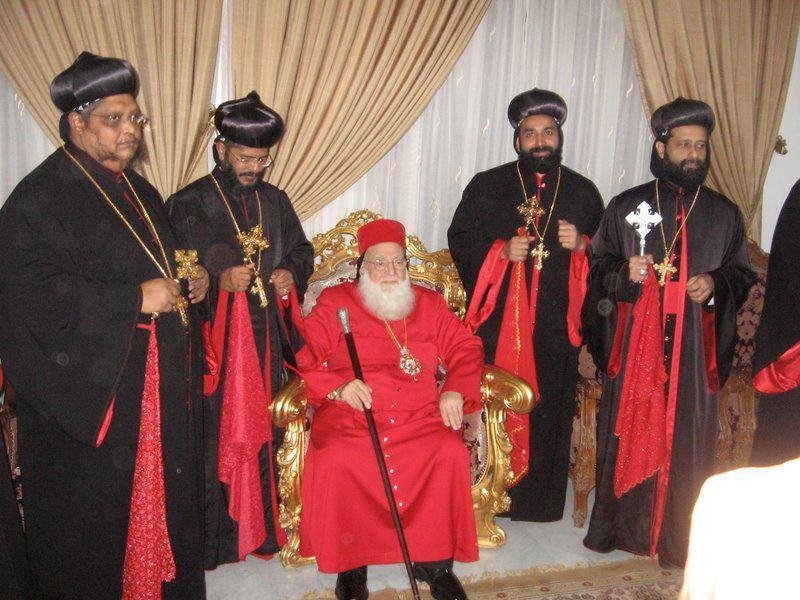
Holy Saturday is the day between Good Friday and Easter. The service of the Holy Saturday in the Syriac Orthodox Church begins around 11:30 am with Noon prayer, then the 9th hour prayers, followed by Holy Qurbono. Holy Qurbono is conducted on this day in the same pattern of Pesaho Qurbono (Holy Thursday). But the Qaumo of the day (i.e. Holy Saturday Qaumo) must be chanted.

The Holy Qurbono shall not be celebrated on the same altar where the burial service of our Lord Jesus Christ was conducted on Great Friday (Good Friday). It can be celebrated on another altar or a temporary altar can be arranged for it.

In the Syriac Orthodox Church, the Holy Saturday is observed as the day of commemoration of all the departed ones. (We also remember all our departed ones just before the Great Lent begins, which is also called Aneede Sunday.) The Holy Saturday is also known as the Gospel Saturday — because after the crucifixion, Christ went to Sheol (the abode of the dead) to preach the Gospel to the departed souls (1 Peter 3:19, 4:6).

The Holy Qurbono celebrated on the Holy Saturday gives us an opportunity to pray for all the departed souls. The Syriac Orthodox Church teaches that Christ descended to the Sheol of the dead on Holy Saturday to save the righteous souls. An ancient homily for Holy Saturday states: "A great silence stilled the world while Christ searched for Adam, 'our first father,' as for a lost sheep." Syriac Church father Mor Ephraim says: "This is the Son of the carpenter, Who skilfully made His Cross as a bridge over Sheol that swallows up all, and brought over mankind into the dwelling of life."

Let us pray to God for all our beloved departed souls on this day for His grace and mercy.

Jesus Genealogy
June 2022

Jesus' Genealogy: Why Is It Important?

Understanding the lineage of Christ as recorded in Matthew and Luke — and its profound significance for our faith and salvation history.

The Gospel writers St. Matthew and St. Luke included the genealogy of Jesus Christ in their Gospels (St. Matt. 1:1-17 & St. Lk. 3:23-28). What is the relevance of it? St. Matthew shows that Jesus is the Messiah who descended from Abraham, to whom it was promised that in him all the nations of the earth should be blessed (Gen. 18:18). St. Matthew assures that Jesus was the Son of God and the long-awaited Messiah descended from David's line, from which the Messiah was to be born (2 Sam. 7:12-16).

The genealogy list is divided into three periods of Jewish history: fourteen generations from Abraham to David; fourteen from David to the captivity; and fourteen from the captivity to Jesus. This Gospel shows that Christ is the Son of David, the rightful heir to the Messianic throne. While in the records of St. Luke, the genealogy starts in reverse order beginning with Joseph and ends with Adam, offering a very historical and detailed account.

A question arises: whether Jacob (St. Matt. 1:16) or Heli (St. Lk. 3:23) is the father of Joseph? St. Matthew's ancestry records Jesus' legal father as Joseph and leads from David's son Solomon. St. Luke records the lineage through Holy Virgin Mary back to David's son Nathan. Tradition tells that through her betrothal with Joseph, Mary entered his family and legally became part of the House of David. St. Ignatius of Antioch writes: "For our God, Jesus Christ, was according to the appointment of God, conceived in the womb by Mary, of the seed of David, but by the Holy Spirit." So St. Matthew emphasizes Joseph's perspective, whereas St. Luke speaks of the virgin birth from Mary's point of view.

Usually the names of women are not included in the Jewish genealogy. But the names Tamar, Rahab, Ruth and Bathsheba are mentioned in Matthew's Gospel. Even if these women were sinners or their marital unions were irregular, they had an important role in God's plan. Their presence foreshadows the universal salvation of humanity — as St. Paul said: "There is neither Jew nor pagan, neither slave nor free, neither male nor female, for you are all one in Jesus the Messiah" (Gal. 3:28). Jews and Gentiles, male and female, people of faith and people of questionable character are all used by God to carry out His salvation plan.

Jesus' genealogy teaches us: always be with God, be a part of His mission, and be a model of Joseph the Just. "For my thoughts are not your thoughts, neither are your ways my ways, declares the Lord. For as the heavens are higher than the earth, so are my ways higher than your ways and my thoughts than your thoughts" (Isa. 55:9). Our hearts should long for faithfulness to God and submit to the will of God.

Holy Qurbono Service
June 2022

Conducting the Holy Qurbono Service

A step-by-step guide to the sacred rite of the Holy Thursday (Pesaho) Qurbono in the Syriac Orthodox faith.

As per the Syriac Orthodox tradition, Holy Qurbono of the Holy Thursday (Pesaho) is normally celebrated in the early morning hours. When the celebrant enters the Sanctuary, the acolyte opens the veil (curtain) and lights the candles in the altar. The following order is observed:

  1. The Holy Qurbono will begin as usual, with "May Mary, who bore you" (Mariam Deeletok) and the congregation chants, "By the prayers of Your Mother" (Nin mathavu visuddanmar).
  2. The Qaumo for the Pesaho is recited instead of the Trisagion (Holy are You O God).
  3. General Epistle and Pauline Epistle are read as usual.
  4. Gospel must be read as per the tone of Hasho (Passion Week) — La Moriyo Shubo, etc.
  5. Promion & Sedra particular to Pesaho may be used.
  6. During the blessing of the Censer, the celebrant recites the Qaumo of the Pesaho instead of "Holy is the Holy Father, Amen."
  7. After the Nicene Creed, the first prayer of the Anaphora must be the special prayer of the Pesaho, specifically mentioned in the Holy Qurbono book / The book of Anaphora.
  8. There is no "Peace be with you" during the Holy Qurbono — so no kiss of peace during the liturgy of Pesaho.
  9. The celebrant has to do all the three Subakono as usual during the liturgy of Pesaho, but does not give the kiss of peace to other clergy if present.
  10. No Quqliyon during the Holy Qurbono. Instead, Pesaho Qaumo can be chanted.
  11. The three Benedictions (Slomo Hoobo, Nehavoon & Thehave) and the final benediction must be done as usual.
  12. The prayers of the Procession of the Mysteries is done as usual and the congregation can chant the Pesaho Qaumo instead of the usual hymns.
Significance of Red
June 2022

The Significance of Red in the Syriac Orthodox Tradition

Why the colour red — the colour of fire, love, and the blood of Christ — holds a profound place in the liturgical calendar, vestments, and sacred objects of the Church.

Biblical Narratives

Red is a very powerful colour in the Bible. In Exodus, the Israelites were told to put the lamb's red blood on their doorposts so that the spirit of God would pass over and spare them from death — red thus representing both death and redemption. In Isaiah 1:18: "If your sins should be as scarlet, they will be made white as snow" — showing that God has the ability to blot away sins and purify the person.

Theological Narratives

The colour of blood is red, and it speaks of the sin that all mankind holds. At the same time, it points to the redemption that everyone has access to because of Jesus' shedding His blood on the Cross. In the Old Testament, people slaughtered animals to perform a sacrifice. Christ, through the shedding of His blood, made the final sacrifice once and for all. The colour red in the Bible can symbolize both sin and redemption. Those who trust and partake of Christ's blood can be sure that they have eternal life.

Red also symbolizes fire, and therefore is the colour of the Holy Spirit. The red garment placed on Jesus during His trial symbolizes the Holy Spirit which Adam and Eve discarded in the Garden of Eden. In Christian tradition, martyrs' clothes are red — this colour foreshadows Christ's death on the Cross, which the Church calls Great Friday or Good Friday.

Liturgical Narratives

In the Syriac Orthodox liturgy, red is mentioned in different ways connected with the Bible and the redemptive works of Christ. In the Sedro of the Holy Week it is stated: "They clothed You with a red garment, and You have clothed us with the garment of glory which we have stripped off by the transgression of the commandment." A red cloth covers the wooden stand and a red uroro (red stole) is put on the Cross from mid-Lent until Palm Sunday, representing the hanging of the slaughtered lamb on the wood. The Cross here symbolizes the wood of which the Cross of Christ was made, and the lamb is the symbol of Christ who takes away the sins of the world (St. John 1:29). On the day of Resurrection, the Church uses a red scarf to symbolise the prophecy of Isaiah: "Who is this who comes from Edom, his garments blood-red from Bozrah?" (Isaiah 63:1).

In the Syriac Orthodox Church, the following liturgical objects and vestments are of red colour:

  1. Chithol — The cloth decorated with red and green colours used to cover the altar.
  2. Tricolour Spread (Virikoottu) — Covers the tablito (altar stone); red represents the universe, green the world, and white the Holy Church.
  3. The Cushion (Gmurtho) — A small red cushion used to wipe the paten and chalice, symbolising the sponge dipped in vinegar given to Jesus on the Cross (St. Matthew 27:48).
  4. M'kablono — Decorated square-shaped covers for the chalice and paten, made of fine red silk.
  5. Veil (Curtain) — Syriac Orthodox churches have a red veil covering the Sanctuary, likened to the colours of the veils of the Tabernacle (Exodus 26:1).
  6. The red robe of the Prelate — Represents the scarlet robe which the soldiers made Jesus wear during His trial.
  7. The kerchief of the Hand-Cross — A red kerchief fastened to the bottom of the Prelate's Cross, representing the Holy Church.
  8. The Flags, Umbrellas and Canopy — Red flags represent the martyrs of the Church, especially John the Baptist; red umbrellas represent the clouds of glory at the Second Coming (St. Mark 13:26).
  9. Wedding Saree (Manthrakodi) — In the Syriac Orthodox Church in India, the bride's post-wedding saree is traditionally red — red was the most usual colour for wedding dresses before white became fashionable, connecting with the groom (Christ) who weds His Church and cleanses her through His blood.

The liturgy of the Syriac Orthodox Church is one of the most ancient, handed from one generation to another. For Christians, red is a propitious colour showing the importance of the Blood of Christ shed during His Passion — the price paid for the redemption of mankind. The Church believes in the Second Coming of Christ, when He will come with His garment soaked in blood, for the redemption of those who believe in Him. Kyrie eleison! Lord Have Mercy!

Teachings & Appearances

Watch sermons, addresses, and liturgical celebrations from His Grace.

Teaching by Mor Silvanos

Teaching by Mor Silvanos

A pastoral address and teaching from His Grace on the Christian life and faith.

Pastoral Message

Pastoral Message

His Grace speaks on the importance of prayer, community, and apostolic faith.

Liturgical Celebration

Liturgical Celebration

A sacred liturgical celebration led by Mor Silvanos following the ancient Syriac rite.

Homily and Reflections

Homily & Reflections

Reflections on scripture and the spiritual life from the office of Mor Silvanos.
Submit a Prayer Request

His Grace Mor Silvanos and the community remember all prayer intentions. Share your needs and be assured of our intercessions.
Get in Touch

For pastoral inquiries, liturgical requests, or correspondence with the office of Mor Silvanos, please reach out using the details below.

Email contact@morsilvanos.com
📍
Diocese New York, USA
Church Syriac Orthodox Patriarchate

Send a Message